Kidneys can fail silently, making problems harder to spot than heart or lung issues. This guide highlights over 10 subtle warning signs that may indicate kidney dysfunction, explains why early detection matters, and presents the information in clear, easy-to-understand language. By learning these signs you can recognise when to seek medical attention and take proactive steps to protect your renal health before conditions worsen.
Unexpected Low Energy Levels

If you find yourself dragging through the day and needing to stop earlier than usual, your kidneys could be partly responsible. When they fail to clear wastes properly, toxins can accumulate in the bloodstream and produce a deep, persistent fatigue that undermines daily functioning.
Kidneys normally release erythropoietin to stimulate red blood cell production, so impaired kidneys can reduce this hormone and lead to anaemia. Less oxygen circulation leaves you feeling consistently worn out and slow to recover from ordinary activities, signaling a medical review might be needed.
Nighttime Rest Disruption

If sleep eludes you despite a calm environment, impaired kidney filtration may be a factor because waste products that should be eliminated can persist in your blood and disturb the body’s ability to relax into restorative sleep. This internal buildup forces your system to work harder when it should be resting.
There is also a higher incidence of sleep apnea among people with chronic kidney conditions, which can fragment sleep and worsen daytime tiredness. When sleeplessness becomes routine, seeking medical evaluation that includes kidney health can help identify underlying causes.
Persistent Skin Dryness and Irritation

Chronic dryness and unrelenting itching can reflect internal imbalances rather than just surface issues, since kidneys that are not filtering correctly allow mineral and toxin accumulation that affects skin condition. If topical treatments fail to help, the problem may stem from something deeper.
This kind of itchiness often arises from disrupted mineral and nutrient balance linked to reduced kidney function. While not a conclusive sign on its own, when combined with other symptoms, it justifies medical assessment to determine whether kidney dysfunction is contributing to skin problems.
Unusually Frequent Bathroom Trips

Noticing a sudden increase in bathroom visits, especially waking at night to urinate, can indicate that your kidneys are not concentrating urine normally. Damage to filtering structures can create an urgent or more frequent need to pee even without drinking much more fluid than usual.
People often assume frequent urination is due to infections or lifestyle factors, but it can also be a symptom of declining kidney performance. If changes in urination are persistent and unexplained, a healthcare evaluation focused on kidney function can clarify the cause and guide next steps.
Visible Blood Present in Urine

Finding blood in your urine is alarming and usually signals that something is affecting how your kidneys hold back blood cells during filtration. When the filtering barrier is compromised, red cells can leak into the urine, producing a pink, red, or cola-colored appearance that needs attention.
Although blood in urine is not always a sign of irreversible damage, it is a warning that requires prompt evaluation because the causes range from infections and stones to more serious kidney conditions. Early investigation helps identify the source and improves the chance of effective treatment.
Bubbly Urine That Won’t Quit

Noticing frequent bubbles when you urinate could signal more than diet or speed of urination. Persistent frothiness often means protein is present in the urine, suggesting filtering problems in the kidneys. Treat this as an early warning and consult a clinician to investigate before the issue progresses.
Tired Looking Eyes That Stay Puffed

If under-eye swelling lingers despite restful sleep, the cause might be internal rather than cosmetic. Chronic puffiness can be linked to protein loss from the bloodstream due to impaired kidney filtration. Recognising this symptom early can prompt testing and management to prevent worsening kidney-related complications.
Leg Swelling That Won’t Subside

Shoes feeling snug or ankles enlarged after minimal activity could reflect more than fluid retention from standing. When kidneys fail to excrete sodium properly, fluid accumulates and causes notable swelling in the feet and lower legs. Keeping track of how often this happens and seeking evaluation can uncover kidney dysfunction before it advances.
Lost Interest in Food

A reduced desire to eat or foods tasting bland may point to a systemic problem instead of temporary appetite changes. Build-up of metabolic waste due to declining kidney function can blunt hunger and alter taste, turning meals into chores. Recognising this link may encourage earlier medical review and management of underlying kidney issues.
Recurring Muscle Tightness and Spasms

Frequent painful muscle cramps that appear without clear cause might indicate more than exercise or low fluids. Disrupted balance of minerals like calcium and phosphorus from poor kidney performance can trigger persistent cramping. If these episodes continue, arrange for kidney function tests to rule out an underlying electrolyte problem.
When Blood Pressure Keeps Rising

Ongoing elevated blood pressure can be an early hint that kidney function is declining. Because kidneys help balance sodium and fluid levels in the bloodstream, impaired filtering can let pressure increase. Regular home checks of your readings may reveal a pattern worth discussing with a clinician before problems worsen.
High blood pressure places stress on more than the heart and can damage kidneys over time. As renal function falters, the organs struggle to control blood pressure, creating a harmful feedback loop. Consistent monitoring combined with sensible lifestyle choices like diet and exercise supports both heart and kidney health.
Persistent Metallic Mouth Sensation

A lingering metallic flavor in your mouth could signal that waste products are building up because the kidneys are not clearing toxins efficiently. This altered taste may not simply be from a recent meal but rather an early indication of reduced renal clearance, prompting a check-in with a healthcare professional to investigate further.
That metallic aftertaste can change how everything tastes and reduce appetite, potentially affecting nutrition and body weight. If the unpleasant flavor continues despite changing foods or oral care, it’s sensible to consult a healthcare provider to explore whether kidney dysfunction might be responsible and how to address it.
Breath That Smells Like Ammonia

Noticeable ammonia or chemical odors on your breath can mean that waste products are accumulating in the blood due to reduced kidney filtration. This distinct smell is more than a cosmetic issue and may indicate the body’s toxin removal system needs medical evaluation to determine if renal issues are the cause.
Ammonia-scented breath can be socially embarrassing and also serves as an internal warning signal that metabolic waste is building up. Speaking with a healthcare professional can help identify whether kidney impairment is responsible and guide steps to restore proper elimination and improve breath odor.
Ongoing Nausea and Throwing Up

Frequent queasiness or unexplained vomiting may be linked to impaired kidney function, as accumulating waste products can irritate the digestive system. These recurring symptoms might be an early sign of a larger problem, so investigating their cause with a medical provider can help catch potential kidney-related issues sooner.
Repeated nausea and vomiting can interfere with eating and lead to nutritional shortfalls and exhaustion. When these digestive disturbances persist, it’s important to explore underlying causes with a clinician who can evaluate whether reduced renal clearance or another condition is behind the symptoms and advise on treatment options.
Feeling Breathless with Minimal Effort

Becoming winded after light exertion could reflect more than low fitness; fluid retention from weakened kidney function can accumulate in the lungs and make breathing difficult. If shortness of breath happens frequently during everyday tasks, it may be a sign that your kidneys and fluid balance deserve medical attention.
Shortness of breath is not solely a lung problem and can significantly disrupt daily life and energy levels. If you notice this symptom occurring regularly, consulting a healthcare provider can help determine whether fluid overload from kidney issues or another condition is causing the breathing difficulties and guide appropriate care.
Uncomfortable Sensation in the Chest

A persistent feeling of chest discomfort or tightness should not be dismissed since it may reflect impaired kidney function. When kidneys struggle to manage fluid and waste, secondary effects can influence heart and circulatory health and present as chest pain.
Kidney filtration failure allows metabolic byproducts to build up in the bloodstream which can disrupt multiple organ systems. Such internal imbalance can manifest as chest pain or pressure, so seeking medical evaluation is important to find the root cause.
Slowed Thinking and Forgetfulness

Trouble concentrating or keeping thoughts organized can be a sign of reduced kidney function because toxins that are normally cleared can affect the brain. Accumulation of waste products in the blood can lead to confusion and cognitive slowing.
This persistent mental cloudiness is more than mild annoyance and may indicate that metabolic wastes are interfering with brain processes. If you experience worsening memory lapses or attention problems, consider assessing your kidney health.
Waking Often to Urinate Overnight

Frequent awakenings driven by the need to urinate can signal that the kidneys are not handling urine production or concentration properly. This nocturnal urinary urgency, known as nocturia, may point to underlying kidney dysfunction or infection.
Although nighttime bathroom trips are sometimes attributed to age or fluid intake, an increase in this pattern could indicate systemic problems affecting the kidneys. Persistent nocturia warrants a medical review to identify possible causes.
Ongoing Itchiness Without Visible Skin Changes

Chronic itch that occurs without a rash can be caused by imbalances related to kidney dysfunction. When kidneys fail to maintain proper levels of minerals and remove toxins, those substances can accumulate and irritate nerve endings in the skin.
If dry, irritated skin persists despite topical care and there is no clear dermatological explanation, consider that toxin retention from reduced kidney function could be responsible. Treating the underlying kidney issue may be necessary for relief.
Noticeably Less Urine Being Produced

A clear drop in how much urine you pass can indicate that the kidneys are not filtering fluids as they should. Since the kidneys regulate urine volume to maintain fluid balance, reduced output may reflect impaired renal performance.
This change can be subtle if ignored, but sustained decreases in urination are an important warning sign. Seeking prompt medical assessment helps determine whether the kidneys are compromised and what treatment might be required.
Changes in Urine Appearance

Your pee can provide clues about kidney function. If it appears cloudy for reasons beyond diet or hydration, it could indicate infection or excess protein in the urine. Pay attention to persistent changes and consult a professional if cloudiness continues.
Episodes of Lightheadedness

Occasional dizziness is common, but repeated spells might reflect kidney-related disturbances in blood pressure or fluid balance. When the kidneys cannot regulate these systems properly, you may experience frequent wooziness that merits medical evaluation.
Do not ignore repeated feelings of imbalance since they may signal that kidney dysfunction is affecting circulation or nutrient delivery. Timely assessment and treatment can help restore stability and reduce those unsettling episodes.
Persistent Upper Back Discomfort

@Photo By: Kaboompics.com / Pexels
A lingering ache beneath the ribs can be more than strained muscles and may stem from kidneys that are under stress. Pain in this region can vary from a constant dull pressure to sharp twinges, and noting patterns can aid healthcare providers in diagnosis.
Unusual Chill Sensation

@Photo By: Kaboompics.com / Pexels
If you often feel cold while others are comfortable, consider that kidney problems can lead to anemia and reduced energy, making you sensitive to lower temperatures. Observing chronic coldness along with fatigue can point toward an underlying issue.
Feeling perpetually cold might seem minor but could reflect deeper physiological changes tied to kidney health. Investigating the source of persistent chilliness can help identify treatable causes and improve overall comfort.
Mysterious Drop in Body Weight

Losing weight without changing habits can be worrying and sometimes relates to impaired kidney function that allows toxins to accumulate and suppress appetite. Unexplained slimming deserves attention to determine whether underlying health problems are responsible.
An unintended decline on the scale is rarely harmless and may signal internal distress. When weight falls with no clear reason, exploring medical causes including renal issues can help uncover and address the root problem.
Loss of interest in protein-rich meals

Suddenly avoiding steaks, chicken, or other protein heavy dishes may signal more than a taste change. When kidneys struggle to process protein waste, the body can develop an aversion to those foods, which can be an early warning that renal function needs evaluation.
Unexplained skin darkening and itching

A persistent deepening of skin tone that is not due to sun exposure could reflect toxin buildup from impaired kidney filtering. This discoloration is often accompanied by itchiness and should prompt a medical check to determine whether reduced renal clearance is contributing to the change.
Ongoing abdominal or flank discomfort

Chronic pain in the stomach area or lower back near the ribs may be misattributed to digestive issues, yet poorly functioning kidneys can cause referred pain in the abdomen. If discomfort continues despite treatment for other causes, consider investigating kidney health as a potential source.
Persistent foul breath with metallic notes

A long lasting metallic taste or breath that resembles ammonia can arise when kidneys fail to clear metabolic wastes, allowing compounds to build up in the blood and saliva. If oral hygiene and dental solutions don’t fix the odor, kidney dysfunction could be an underlying factor worth exploring.
Elevated creatinine on blood tests
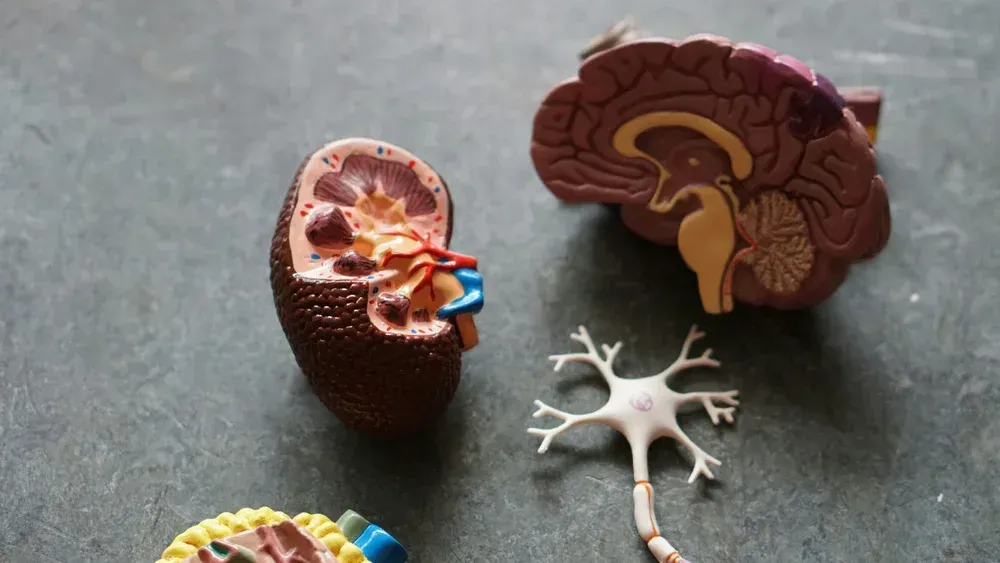
Higher than normal creatinine values discovered during routine labs often point to decreased filtration by the kidneys. Because creatinine comes from muscle metabolism and is normally excreted, rising levels may indicate worsening renal clearance and should trigger further diagnostic assessment.
Foamy skin signals to watch

Finding persistent foaminess or bubbly patches on your skin could point to more than surface irritation. When kidneys fail to filter properly, protein can leak into urine and create a frothy effect that may appear on the skin after washing. Mentioning this to your clinician can prompt investigations that detect kidney dysfunction earlier.
Superficial skin changes sometimes reflect internal organ stress rather than only dermatological issues. Repeated discovery of foamy areas during cleansing might indicate protein escape from the bloodstream into urine due to kidney strain. Including this observation when discussing symptoms with a doctor can help identify possible renal problems sooner.
Painful urination as a red flag

A burning or stinging sensation while urinating is more than an annoyance and may flag urinary tract conditions that involve the kidneys. Discomfort during voiding can signal infections, stones, or other obstructions affecting kidney drainage, so recurrent pain warrants medical evaluation to uncover any kidney-related causes.
Sharp discomfort when you urinate should not be dismissed since it can reveal complications in the urinary system with potential kidney involvement. Such sensations often stem from infections or calculi that impact kidney function. Seeking assessment from a healthcare professional helps determine the root cause and protect renal health.
Rising urea points to trouble

An elevated concentration of urea in the blood is a clear indicator that kidneys may be failing to eliminate metabolic waste properly. When filtering capacity declines, urea builds up and can produce fatigue, nausea, or an unpleasant metallic taste. Periodic blood testing is important to catch rising urea levels before they lead to more serious complications.
High blood urea often goes unnoticed by patients but serves as a valuable marker of impaired kidney filtration. Accumulation of this waste product can cause symptoms like extreme tiredness, queasiness, and altered taste sensations. Regular monitoring through blood work enables early detection and timely management of kidney dysfunction.
Potassium imbalance requires attention
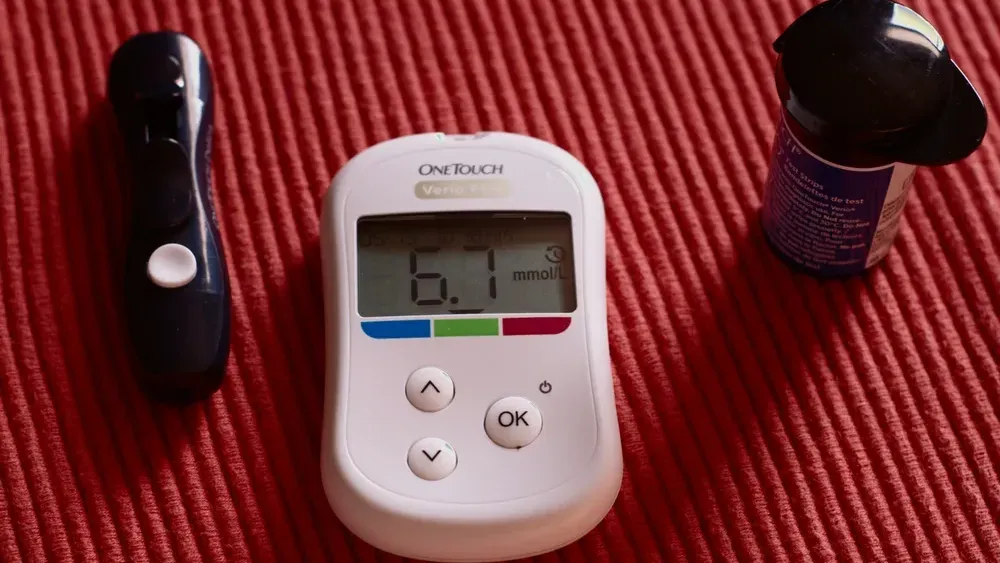
Elevated potassium levels can be dangerous when renal clearance is compromised because kidneys normally maintain potassium balance. Hyperkalemia may present as weakness, muscle fatigue, or palpitations, and routine blood checks along with symptom awareness can prevent cardiac and muscular complications tied to kidney issues.
When potassium accumulates due to impaired kidney handling, the consequences can be significant for heart and muscle function. Feeling unusually weak, tired, or noticing irregular heartbeats can signal high potassium. Consulting a clinician and monitoring labs helps manage levels and protect overall renal and cardiovascular health.
Recurrent infections as a warning sign

If illnesses keep returning, it may reflect an underlying decline in kidney performance since kidneys support immune and blood filtration processes. Inadequate removal of pathogens or immune dysfunction related to renal disease can lead to frequent infections, so tracking patterns of recurrent sickness is important for early identification of kidney strain.
Repeated bouts of infection might indicate that kidney function is compromised, as healthy kidneys contribute to removing toxins and supporting immune defenses. Persistent infections can signal that the kidneys are underperforming. Bringing this pattern to a healthcare provider’s attention can prompt evaluations to protect both immunity and renal function.
Constant Low Energy

Do you wake up exhausted despite sleeping well and feel drained throughout the day? When kidneys are impaired they may fail to clear waste and maintain balance, leaving cells starved of oxygen and reducing overall energy production. Persistent tiredness should not be dismissed.
Persistent Mental Fog

Having trouble thinking clearly or staying on task could signal more than just stress or busy schedules. Impaired kidney function allows metabolic waste to build up in the bloodstream, which can interfere with cognitive processes and create a foggy, distracted feeling.
If you experience more frequent lapses in memory or difficulty concentrating, consider that diminished kidney function may be contributing. Anemia related to kidney disease can lower oxygen delivery to the brain and make mental tasks feel harder than usual.
Always Feeling Chilly

@Photo By: Kaboompics.com / Pexels
If you routinely feel cold while others seem comfortable, it might point to an underlying issue with kidney health. Kidney-related anemia decreases red blood cell counts and can make it hard for your body to maintain normal warmth, leaving you reaching for extra layers.
This persistent sensation of being cold stems from fewer oxygen-carrying cells circulating and delivering heat. Pay attention if you’re consistently colder than those around you as it could be an early sign of kidney-related anemia affecting your temperature regulation.
Noticeable Puffiness

Spotting swelling around your ankles, feet, or eyes can be an indicator that your kidneys are struggling to remove excess fluid. Fluid retention often shows up in the lower limbs and face and can be a visible clue that filtration and balance are compromised.
Swelling may feel tender and appear without an obvious cause, so tracking persistent puffiness or pressure near joints and soft tissues is important. Such symptoms can reflect the body holding onto fluid because the kidneys are not adequately managing fluid levels.
Recurring Head Pain

Experiencing frequent headaches might be related to kidney dysfunction through reduced production of hormones that support red blood cell formation. With fewer red blood cells the brain can receive less oxygen, which often manifests as ongoing head pain and discomfort.
Constant low energy

Do you struggle to find the get-up-and-go you once had Even when sleep seems adequate persistent tiredness may indicate more than rest deprivation If kidneys are not filtering properly waste builds up in your bloodstream and can sap your strength throughout the day
When red blood cell levels drop your tissues receive less oxygen and simple tasks feel exhausting Kidney dysfunction can contribute to anemia and a dramatic loss of stamina Take persistent exhaustion seriously as it may point to impaired kidney function
Unexplained belly puffiness

If your midsection feels unusually full or firm it could be fluid retention caused by weakened kidney performance When kidneys cannot remove excess water and sodium the body holds onto fluid and the abdomen can become swollen and uncomfortable
That bloated sensation after routine activities may not be ordinary weight gain or overeating Reduced kidney function affects the body’s ability to balance fluids so persistent abdominal swelling deserves medical attention to rule out renal causes
Persistent hiccup episodes

Occasional hiccups are normal but prolonged bouts that keep recurring may signal an underlying imbalance If the kidneys are failing to clear wastes and maintain stable blood chemistry these disturbances can provoke frequent involuntary diaphragm spasms
Chronic hiccups that interfere with daily life can arise when electrolyte and toxin levels become abnormal due to reduced kidney efficiency Such reflex triggers should prompt evaluation of your kidney health when they become persistent
Unexplained skin bruising

@Photo By: Kaboompics.com / Pexels
Finding frequent bruises without a clear cause can be worrying and may reflect internal issues Rather than simple clumsiness changes in clotting and platelet function related to kidney problems can make the body more prone to visible bruising
If your skin shows new or worsening patches of discoloration without trauma it could indicate that the kidneys are not supporting normal blood cell production and filtration Seek assessment if bruising becomes more common or severe
Trouble getting blood pressure down

Struggling to control hypertension can be linked to compromised kidney function because kidneys play a central role in regulating blood pressure When they are impaired you may experience persistent high readings that are difficult to manage
If your blood pressure stays elevated despite lifestyle changes and medications consider that renal issues might be contributing This relationship can create a harmful cycle so addressing kidney health is important for stabilizing blood pressure
Noticeably dark rusty urine

If your urine takes on a deep, rust or cola tone it could be a warning sign from your kidneys. This discoloration often points to blood in the urine or other abnormalities that deserve attention rather than being dismissed as minor.
A concentrated buildup of waste in urine can produce a dark hue indicating impaired kidney filtration. Although certain foods or medications and dehydration can cause changes, ongoing discoloration should prompt medical evaluation to rule out kidney disease.
Persistent unexplained nausea

A chronic feeling of nausea that refuses to go away may stem from toxins accumulating when kidneys are not filtering effectively. That slow, queasy sensation often develops gradually and can be an overlooked sign of declining kidney function.
When nausea continues despite dietary or lifestyle changes, consider a kidney-related cause—especially if it appears alongside fatigue or swelling. Early assessment can help identify kidney problems so you can begin appropriate treatment sooner.
Compulsive crunching of ice or non food cravings

An urge to chew ice or consume nonfood items might reflect pica linked to mineral deficiencies often seen in kidney disorders. Iron deficiency and anemia related to reduced kidney hormone production can trigger these unusual cravings and warrant investigation.
Munching on ice may feel harmless but could be a subtle signal of impaired kidney function causing anemia and mineral imbalances. If new and persistent, discuss this behavior with your healthcare provider to determine if underlying kidney issues are involved.
Wounds that take unusually long to heal

If cuts and bruises linger far longer than expected it could indicate systemic issues including kidney dysfunction. Compromised kidneys can weaken immune response and slow tissue repair, making everyday injuries recover at a delayed pace.
Chronic slow healing can reflect poor fluid and electrolyte balance tied to kidney problems, which interferes with cellular repair processes. Persistent delayed recovery from minor wounds is worth discussing with a clinician to check kidney health.
Disrupted or irregular sleep patterns

Ongoing insomnia or daytime drowsiness may be connected to kidney problems that allow toxin buildup affecting sleep regulation. When filtering falters, these imbalances can disrupt your normal sleep cycle and leave you unrested.
Sleep disturbances like restless leg sensations or pauses in breathing during sleep can be linked to poor kidney function and toxin retention. If you experience new or worsening sleep issues without another explanation, have your kidneys evaluated as a possible contributor.
Unrelenting Cold Sensation

Constantly feeling chilled even in warm conditions can be tied to impaired kidney function. When kidneys fail to clear waste effectively it may trigger anemia and reduced red blood cell production, which commonly causes ongoing feelings of cold.
If you find yourself sneezing and burrowing under blankets more than usual this could signal more than just a draft. Persistent cold intolerance warrants a checkup because it may reflect underlying kidney-related concerns that require medical evaluation.
Nighttime Sweat Episodes

Waking up drenched in sweat is not always due to room temperature or vivid dreams and can reflect strain on the kidneys. Diminished renal function disrupts fluid and chemical balance in the body which can produce excessive sweating during sleep.
If mornings leave you sticky and exhausted like after intense exercise pay attention to those repeated incidents. Such recurring nocturnal perspiration can be an important clue that kidney performance should be assessed by a healthcare professional.
Sudden Emotional Swings

Frequent shifts from upbeat to irritable moods may indicate more than stress and could be connected to kidney dysfunction. Electrolyte disturbances caused by poorly functioning kidneys can contribute to cognitive fog and emotional volatility.
Feeling like you are on a never-ending emotional roller coaster might deserve more than a pep talk. Investigating kidney health could reveal physiological contributors behind mood instability and help guide appropriate treatment.
Persistent Oral Dryness

A constantly dry mouth might stem from more than just not drinking enough water and can be related to kidney problems. When kidneys fail to manage fluids and electrolytes properly this imbalance often leads to ongoing dryness in the mouth and throat.
If you regularly wake up with a parched mouth and scratchy throat increase your fluid intake and consider a medical review. Chronic oral dryness can be a subtle symptom of impaired kidney function that deserves attention.
Trouble With Urination

Difficulty starting urination or notable changes in frequency and flow can serve as warning signs of kidney or urinary tract issues. Obstruction or reduced renal efficiency may prevent the bladder from emptying normally and alter urination patterns.
Experiencing interrupted streams, weak flow, or suddenly needing to go much more often should not be ignored. Tracking these urinary changes and seeking medical advice can help identify whether the kidneys require treatment or further evaluation.
Mental fog that won’t lift

Have you noticed a sudden clouding of thought or trouble concentrating that goes beyond simple tiredness? When kidneys can’t clear waste effectively, toxins can build up in the bloodstream and interfere with brain processes, producing sluggish thinking and impaired memory that make everyday tasks harder.
The kidneys help remove metabolic waste and excess fluid in a way that supports clear thinking. If they falter, buildup of impurities may produce confusion, mood changes, or disorientation. Persistent cognitive shifts deserve assessment by a healthcare professional to rule out kidney causes.
Shortness of breath when resting flat

Difficulty breathing while lying on your back can signal more than heart or lung trouble it may reflect fluid retention due to poor kidney regulation. When fluid balance is disrupted, excess fluid can collect in the lungs and make it hard to take full breaths when reclining, producing sudden nighttime breathlessness.
Notice how often breathlessness occurs and whether it worsens when you lie down, as this pattern may point to kidney-related fluid overload. Frequent episodes that disrupt sleep or activity should prompt medical evaluation since untreated fluid buildup can lead to worsening respiratory and cardiovascular issues.
Ongoing nausea and queasiness

Persistent stomach upset is not always a gastrointestinal problem it can stem from toxin accumulation when kidneys fail to filter waste properly. This buildup can trigger recurrent nausea or vomiting as the body struggles to cope, leaving you feeling unwell and drained without an obvious cause.
Chronic kidney dysfunction can change digestive responses and produce prolonged queasiness or an unsettled stomach. If nausea occurs repeatedly without a clear trigger, consider kidney assessment because overlooking these symptoms may conceal significant renal disease and worsen discomfort over time.
Unrelenting thirst despite drinking

Feeling constantly thirsty even after drinking plenty of fluids may indicate that the kidneys are not maintaining proper fluid balance. When renal filtration or hormonal regulation is compromised, your body may continue to signal thirst as it attempts to compensate for perceived fluid imbalances.
Monitoring how much you drink and how thirsty you feel can reveal potential kidney problems, especially if excessive drinking fails to quench thirst. Early recognition of this persistent fluid drive can prompt timely medical evaluation to diagnose and treat underlying renal dysfunction.
Urine that looks different than usual

A quick look at your urine can reveal important clues about internal health since healthy urine tends to be clear and pale yellow. If it consistently appears dark, cloudy, or unusually colored, it could indicate impaired filtration or the presence of protein and waste that the kidneys are failing to remove properly.
Changes such as persistent cloudiness, foaminess, or discoloration in urine are notable signs that kidney function may be compromised. Paying attention to these shifts and bringing them to a healthcare provider’s attention can help detect renal issues earlier and guide appropriate testing and treatment.
Ongoing joint aches that will not go away

If joint pain and stiffness persist despite rest and remedies, this could signal more than normal wear. Kidneys that are failing to clear metabolic waste may allow toxins to accumulate and trigger inflammation, which can manifest as chronic joint discomfort.
Do not assume lingering joint pain is simply part of aging or overuse. When it disrupts daily life, investigate further rather than only masking symptoms with pain relievers; assessing kidney function could reveal treatable causes behind the ongoing soreness.
Repeated episodes of burning chest sensation

If heartburn or acid regurgitation happens more often than expected, it might not be just diet related. Impaired kidney function can alter acid balance and contribute to excess acidity, producing that familiar burning feeling in the chest which is sometimes mistaken for a purely digestive problem.
Chronic reflux can harm the esophagus over time, so addressing only symptoms may not be enough. Along with lifestyle or medication changes, consider checking kidney health to rule out an underlying cause that could be driving frequent acid issues.
Unexpected problems staying steady on your feet

If your equilibrium feels off or you experience lightheadedness when standing, it may indicate more than clumsiness. Kidneys help regulate electrolytes and fluid balance, and when they falter this can lead to disturbances that make you feel dizzy or unstable during everyday movements.
Maintaining proper fluid and electrolyte levels is essential for balance and overall function. Recurring wobbliness or faint sensations should prompt evaluation of kidney status since correcting renal-related imbalances can restore steadiness and reduce risk of falls.
Frequent bladder infections that keep coming back

If urinary tract infections keep recurring, consider whether kidney issues could be contributing. When renal function is compromised the immune defenses and urinary clearing mechanisms may be weakened, increasing vulnerability to repeat infections that are hard to shake.
Ongoing UTIs can signal deeper problems and raise the chance of kidney injury if left unaddressed. Treating symptoms without investigating kidney health may miss the root cause, so prioritizing renal evaluation can help prevent future infections and complications.
Persistent low energy and overwhelming weakness

Occasional tiredness is normal, but constant, profound weakness that interrupts daily life could hint at a renal problem. When kidneys fail to filter wastes efficiently, toxins build up and can sap energy, leaving you feeling unusually drained and weak even with adequate rest.
This type of persistent exhaustion differs from routine fatigue and can limit your ability to engage in normal activities. Rather than attributing it solely to a busy schedule, consider testing kidney function to identify treatable causes and restore your energy levels.
Unusual itchy skin changes

@Photo By: Kaboompics.com / Pexels
When new, persistent itchy rashes appear they could point to more than surface irritation and might reflect declining kidney performance. Kidneys normally remove toxins and when they fail to keep up those wastes can show up as skin problems. If rashes seem odd or long lasting consult a clinician.
Rash presentations can range from flaky and mildly itchy to swollen angry patches and may not immediately suggest kidney causes. Paying attention to ongoing skin changes as part of your overall health assessment can reveal underlying kidney dysfunction earlier and prompt tests or referrals before issues worsen.
Unexpected rises in blood sugar

A sudden or unexplained increase in glucose readings can sometimes be linked to impaired kidney function since kidneys contribute to glucose handling and hormonal balance. While many factors affect blood sugar, persistent elevations without lifestyle changes should raise suspicion about possible renal involvement.
Keeping a close eye on your glucose trends helps detect potential kidney-related causes sooner. If you notice elevated levels despite unchanged habits, speak with your healthcare provider so they can evaluate kidney markers and intervene early to protect both blood sugar control and renal health.
Burning feeling when urination begins

A sharp burning sensation at the onset of urination may be more than a simple lower urinary tract problem and can occasionally reflect kidney distress as waste accumulates in the body. Although often associated with infections, recurring or unexplained burning deserves evaluation for possible renal contribution.
If this uncomfortable symptom recurs frequently, it could signal that your kidneys are under strain rather than being an isolated incident. Seeking medical advice for persistent burning when urinating helps identify the root cause early and prevents escalation into more serious kidney or urinary conditions.
Persistent unexplained fatigue from low blood counts

Constant tiredness that doesn’t improve with rest may indicate anaemia linked to kidney dysfunction since kidneys make erythropoietin, which stimulates red blood cell production. When this hormone drops, so can your red cell count, leading to chronic fatigue and reduced daily functioning.
Feeling drained for no clear reason should prompt evaluation of both blood counts and kidney performance because correcting an underlying renal issue can restore erythropoietin levels and improve energy. Timely diagnosis and treatment can significantly boost quality of life.
Aching in the flank or lower abdomen areas

@Photo By: Kaboompics.com / Pexels
Sudden or ongoing pain in your side, back, abdomen or groin that cannot be explained by activity may signal kidney problems such as stones or infection. When this discomfort appears with fever, changes in urination or other symptoms, it becomes especially important to consider renal causes.
Do not ignore persistent pain in these regions even if it seems minor at first because it can be an early warning of kidney disease. Prompt medical assessment can identify the source quickly, leading to effective treatment and helping to prevent more serious kidney damage.