Navigating food choices gets trickier as men hit their 60s, especially with so much conflicting advice out there. While enjoying your favourite treats in moderation is part of a good life, it’s important to be aware that some foods carry higher risks as we age. This article highlights over ten foods men over 60 should be cautious about, not necessarily eliminating them, but definitely cutting back if they’re a regular part of your diet. Knowing which foods to limit can help maintain your health, energy, and vitality as you enjoy your golden years. Indulgence has its place, but a little mindfulness goes a long way.
Rethink Your Diet Soda Habit
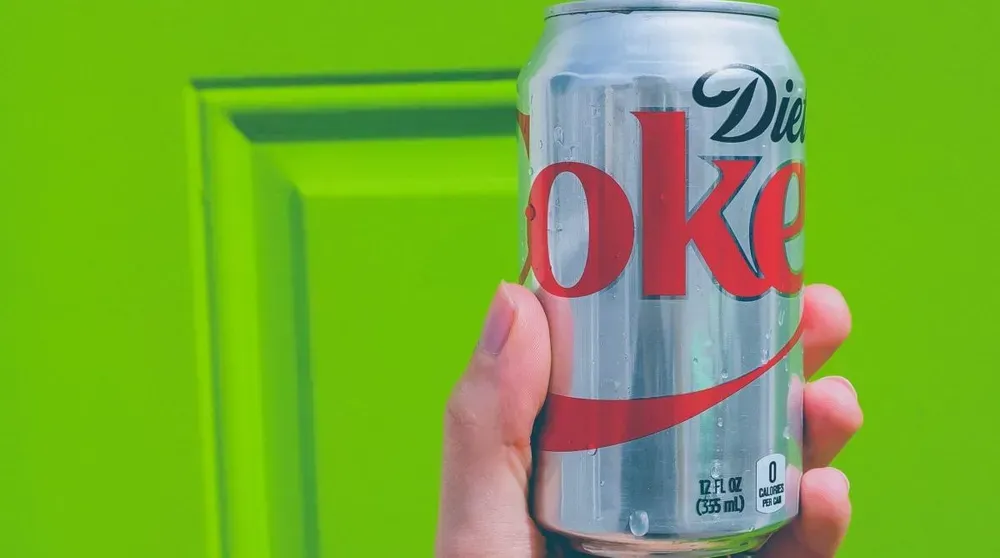
Many men over 60 turn to diet sodas, thinking they’ll help manage weight or sugar intake, but these beverages are often packed with artificial sweeteners like aspartame. While they may seem like a smarter alternative to sugary drinks, the impact on your health can be more harmful than you realise, especially as your body becomes more sensitive with age.
Originally, aspartame was included in diet sodas to assist with weight loss, but recent studies have revealed that it can actually raise glucose levels and put a strain on your liver. This can cause your body to create excess fat rather than help you slim down. Over time, these effects are particularly concerning for older men, whose metabolism naturally slows with age.
The Hidden Dangers of Chips
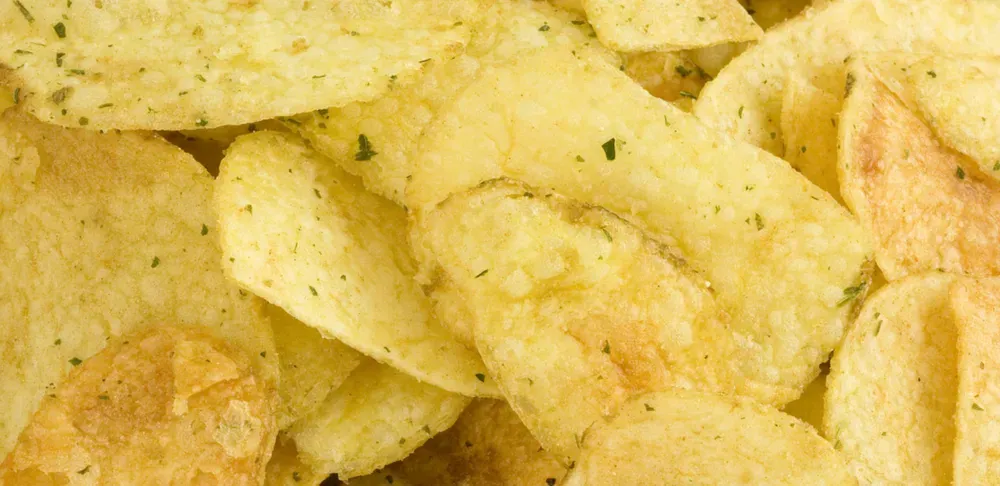
A seemingly innocent snack, potato chips pack a lot more than just crunch—they contain approximately 150 calories and 10 grams of fat per ounce, which is about three small handfuls. It’s especially easy to underestimate portion size, and most people find it hard to stick to just an ounce or two, which can quickly lead to overconsumption.
Chips rank high among the most addictive, moreish foods, making portion control nearly impossible for most. Eating chips even just a few times a week adds up fast—and over the course of a year, it could mean putting on as much as seven extra pounds. For men over 60, this can increase the risk of various health problems.
Granola Bars: Not as Innocent as They Seem
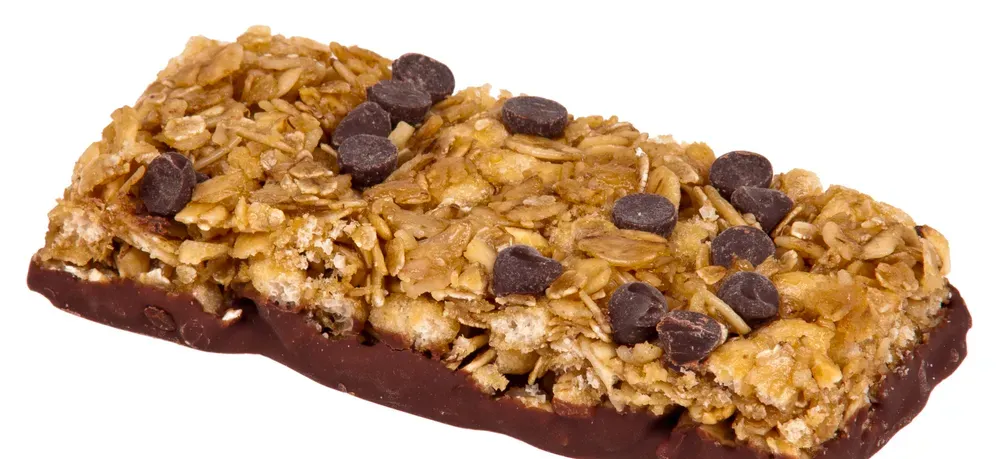
Granola bars are often marketed as a health food, making them a tempting choice for those looking to snack wisely. However, for many men over 60, these snack bars are a hidden source of added sugars, often sneaking into daily diets under the health-conscious radar and doing more harm than good.
Sugar content in granola bars is usually disguised as chocolate chips or high fructose corn syrup, both of which can have negative effects on metabolism and blood sugar. Some bars contain upwards of 13 grams of sugar per serving—a level comparable to your average candy bar—which can be particularly problematic as insulin sensitivity declines with age.
Fast Food: It’s More Than Just the Fat
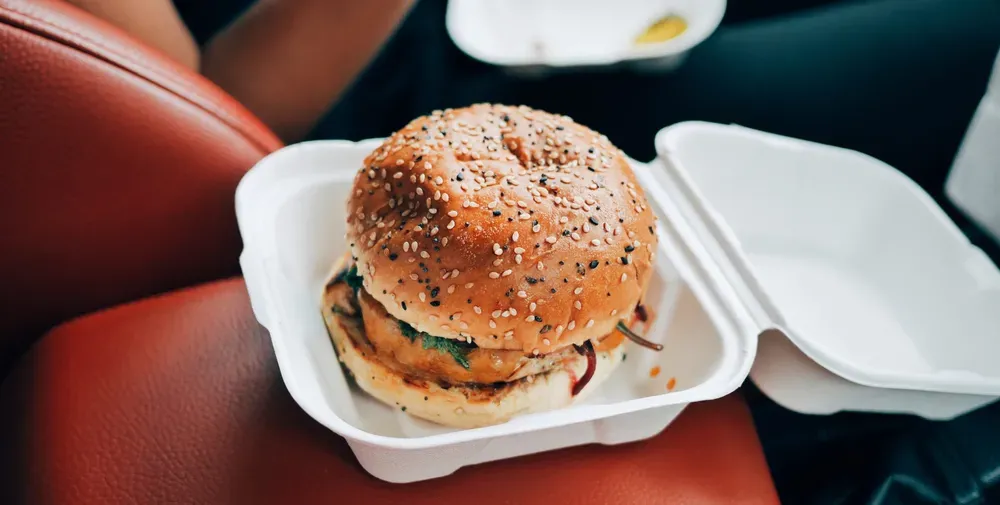
The appeal of fast food is hard to deny, but its dangers go well beyond high fat and salt. For men over 60 looking to stay healthy, it’s important to know about the packaging. Many fast food containers, especially takeaway boxes, are made using polystyrene, a material that poses unique health risks.
When polystyrene containers are heated, such as when they’re used for hot, freshly cooked foods, they can release carcinogenic compounds. These substances leach into the food and may contribute to health complications over time, compounding concerns for older men who already face increased risk for heart disease and cancer.
Mozzarella Sticks: A Popular But Risky Treat
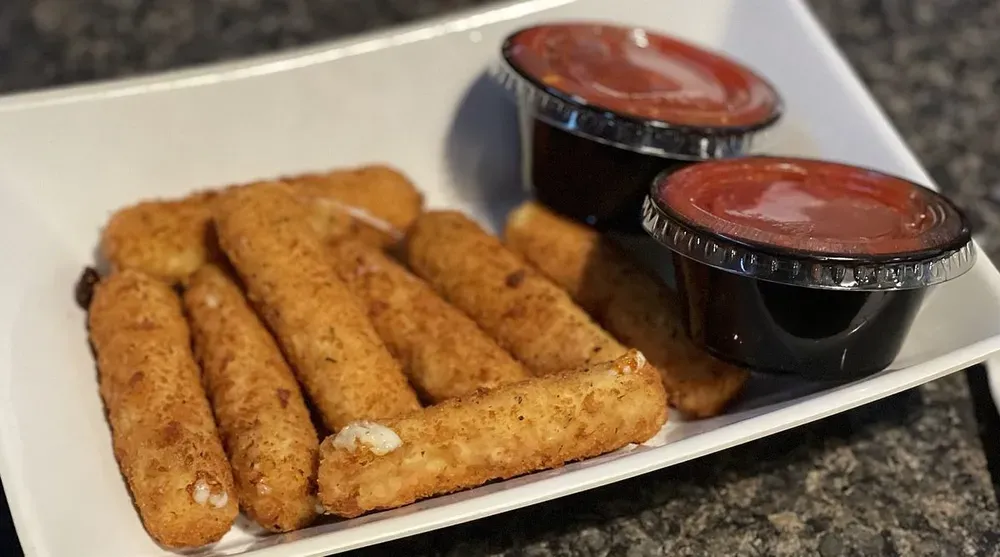
Mozzarella sticks are often a go-to appetizer for gatherings or meals out, but under the crispy coating lies a nutritional pitfall. Because they’re typically fried, mozzarella sticks are loaded with extra calories and unhealthy fats, which can sabotage attempts to eat healthy and control weight in your 60s and beyond.
A single restaurant serving can contain up to 910 calories and over 2,500 milligrams of sodium—amounts that quickly stack up, even when shared among friends. Regularly indulging in appetizers like mozzarella sticks increases the likelihood of weight gain and can contribute to high blood pressure, putting extra strain on aging bodies.
Why Pork Rinds Aren’t the Best Snack Choice
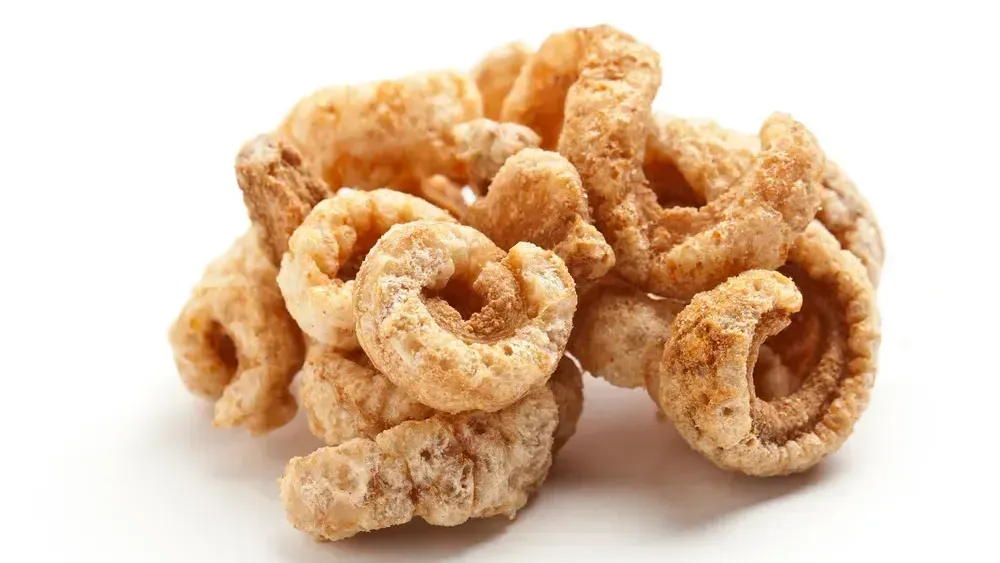
Pork rinds, those crispy bites made from fried pig skin, may sound tempting, especially if you’re following a low-carb diet. However, their reputation as a healthy snack doesn’t hold up to scrutiny. While they deliver crunch, they’re not doing your health any favors and can easily become a risky indulgence for men over 60 who want to stay in top shape.
One of the main concerns with pork rinds is their jaw-dropping sodium and fat content. Just one serving can contain more than 1,000 mg of sodium—a staggering amount that’s over a quarter of the recommended daily limit for men. Overconsumption of sodium has been linked to high blood pressure and cardiovascular concerns, so it’s best to keep these snacks at arm’s length.
Sausages: A Risky Grilled Indulgence
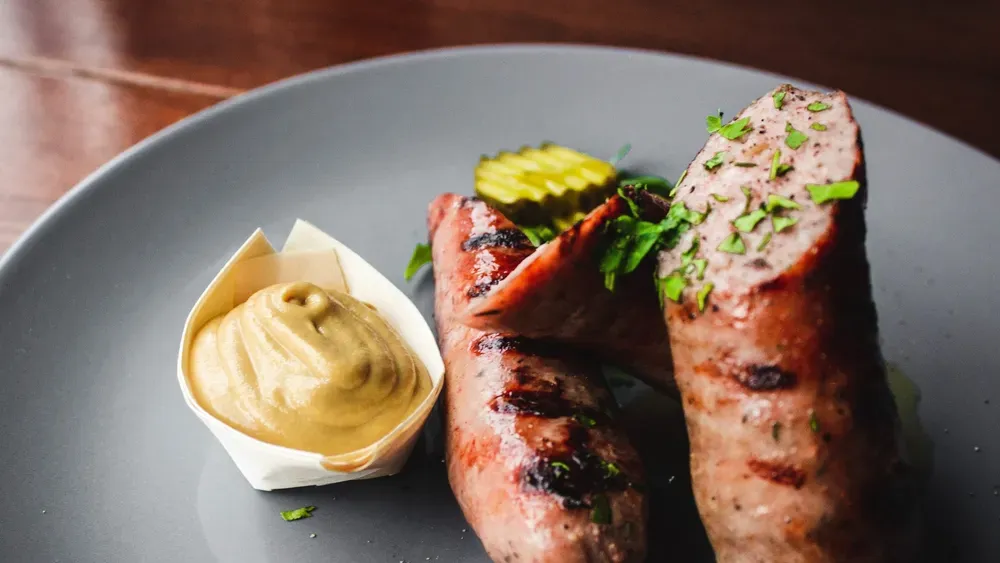
Firing up the grill is a classic pastime, but sausages might bring more harm than enjoyment. Research suggests sausages could be just as dangerous for your health as other well-known carcinogens. That’s largely because they are commonly made from red meat, such as pork, which is itself linked to health risks.
Sausages also often fall into the ‘highly processed’ category, loaded with sodium and nitrates to preserve flavor and shelf life. Even those labeled as ‘healthier’ or ‘natural’ can contain hidden additives and preservatives, making this food choice one to skip for men aiming to safeguard their well-being as they age.
Why You Should Think Twice About Mayonnaise

Mayonnaise may seem like a harmless addition to your sandwich or salad, but it’s not as innocent as it looks. The creamy condiment is heavy on fat and sugar, making it a sneaky contributor to unnecessary calories in your daily diet. For men over 60, that adds up quickly, potentially impacting heart health and weight management.
Beyond its unhealthy macro profile, mayo is packed with preservatives, extending its shelf life and making that jar last for years in your fridge. Even ‘lighter’ or low-fat versions aren’t much better—they often make up for lost flavor by adding extra sugar. All things considered, it’s smart to scale back or swap mayo for healthier alternatives.
The Hidden Dangers of Deli Meats
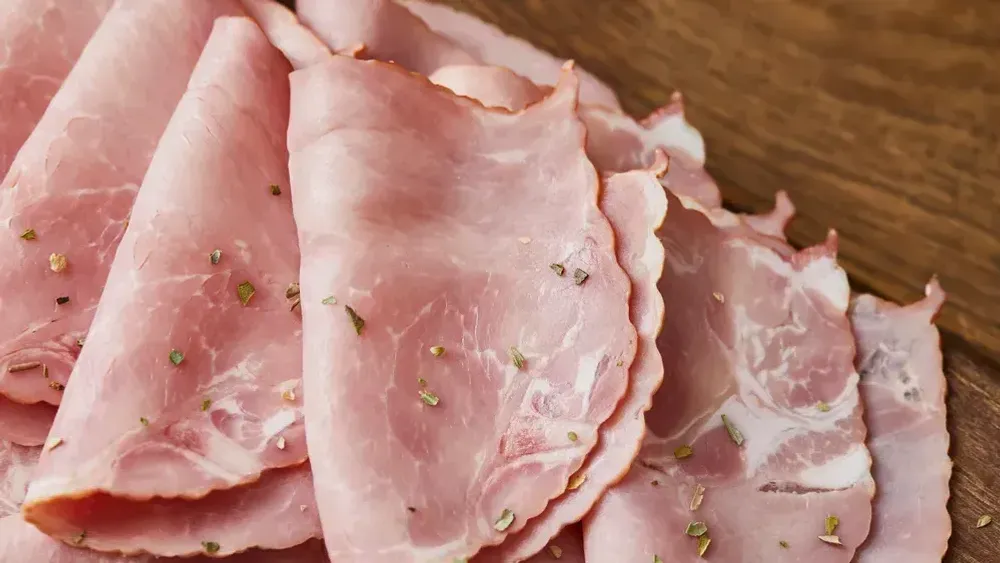
Deli meats might seem convenient for a quick lunch, but their health risks are worth stressing about. These cold cuts are often packed with sodium and preservatives. For example, just two ounces of Boar’s Head Smoked Turkey has 500 milligrams of sodium—a significant chunk of your daily allowance in just a couple of slices.
With the typical American man taking in about 3,400 milligrams of sodium a day, it’s clear that deli meats can easily push you over the edge. Beyond sodium concerns, regular consumption of processed meats also raises the risk of heart disease, type 2 diabetes, and even some forms of cancer, so moderation is key.
Fruit Juice: The Sweetness Trap You Should Skip

You might think grabbing a glass of fruit juice is a healthier choice than soda, but even 100 per cent fruit juice is surprisingly sugary. A single cup of grape juice can pack as much sugar as four glazed doughnuts, making it a stealthy source of calories that can easily derail a balanced diet, especially for older men.
Although the sugars in juice come from fruit, they’re absorbed into your bloodstream just as quickly as table sugar. Most of a juice’s sweetness is thanks to fructose, which research links to abdominal weight gain and increased health risks. Opting for whole fruit, which is packed with fibre and nutrients, is a much smarter choice.
Low-fat peanut butter may not be a better option
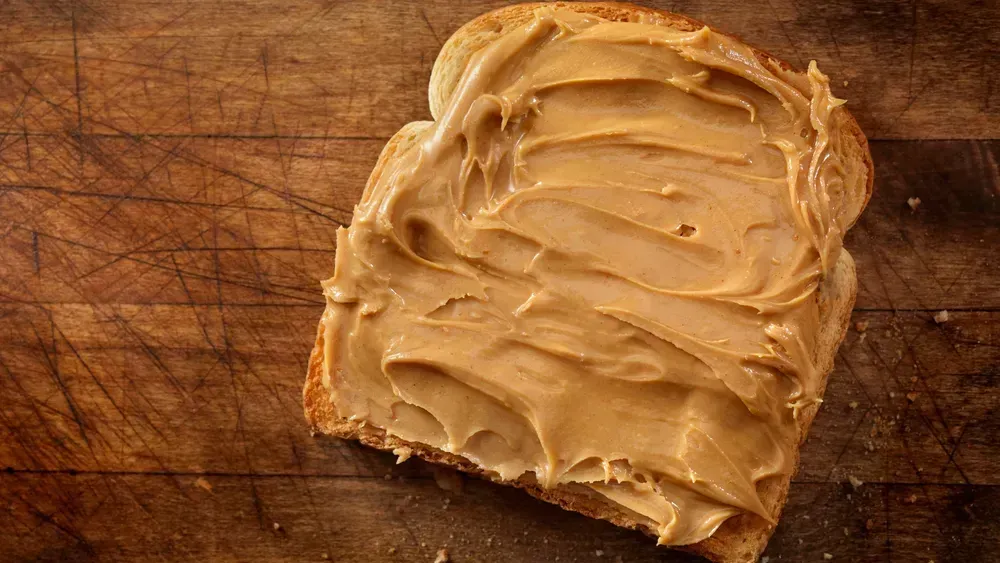
Think low-fat peanut butter is a healthier choice? Think again! Manufacturers strip away natural, nutritious fats from peanuts and make up for it by adding extra sugars and salt to make the product taste good. These added ingredients can lead to blood sugar spikes and contribute to other health issues, especially for men over 60 who should be cautious of sugar intake for heart and metabolic health.
Popular brands such as Skippy Reduced Fat Peanut Butter contain about 4 grams of added sugar in every serving, with corn syrup solids listed among the first ingredients. This means enjoying a seemingly innocent PB&J sandwich could actually raise your risk for blood sugar imbalances and inflammation, making what seems like a “better” swap actually quite risky.
Grapefruit poses hidden risks for older men
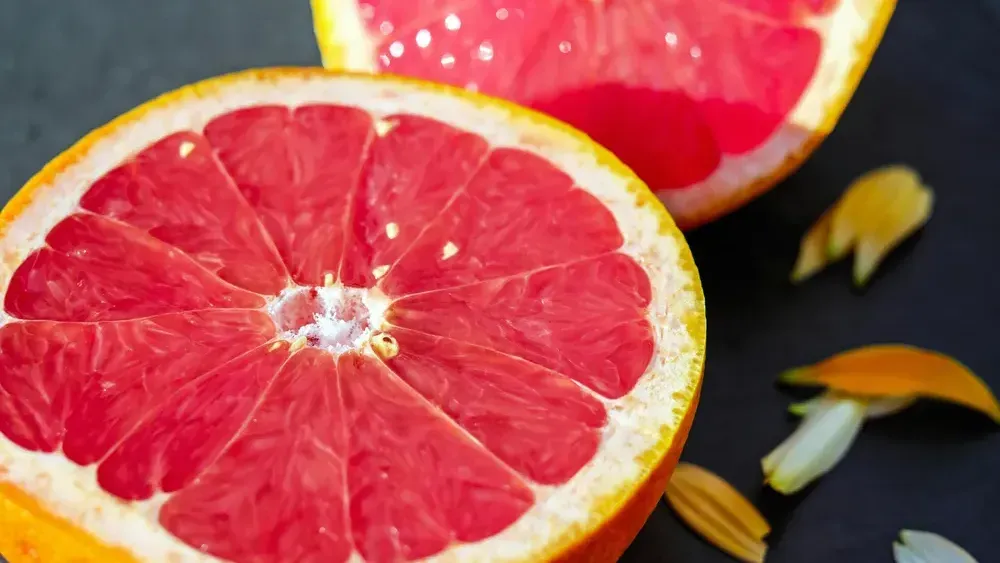
You’d be forgiven for thinking that the notoriously Vitamin C-packed grapefruit is a wonderful addition to your diet. However, for those over 60, it could actually be risky or even deadly. Grapefruit interacts dangerously with dozens of common medications, putting older adults at higher risk of side effects, compromised drug efficacy, and health complications in the long run.
As people age, more prescriptions are often needed for chronic conditions. Grapefruit contains a compound that interferes with the CYP3A4 enzyme, which is vital for metabolising many drugs. This interference can lead to higher levels of medications in your bloodstream, causing toxicity or unwanted side effects—making grapefruit a surprising but serious dietary concern.
Single cheese slices are more processed than you think

Some might argue that a burger just wouldn’t be the same without a slice of convenient, plasticky yellow cheese. But those individually wrapped singles are far from real cheese. They contain processed fillers and additives meant to preserve shelf life, improve meltiness, and create that uniform appearance—at a steep price to your health.
A key additive, sodium citrate, is used to give these cheese slices their ultra-smooth texture. This artificial ingredient isn’t just unnecessary—it has been linked to causing muscle spasms in some individuals, and could pose real dangers for anyone with kidney issues or those sensitive to excess sodium in their diet.
Instant oatmeal isn’t a healthy shortcut

Oatmeal is often praised for its heart-healthy benefits and ability to keep you full. But when convenience wins out, many people reach for those flavoured instant oatmeal packets, not realising that they’re sacrificing much of the nutrition. These quick oats are often stripped of beneficial fibre and loaded up with sugars and artificial flavourings.
A single serving of instant oatmeal can contain as much sugar as some desserts, which effectively wipes out the cardiovascular and metabolic advantages typically found in regular oats. Instead of steady energy, you get sugar crashes and unhelpful additives—not an ideal way to start your day, especially as you age.
Hot Pockets are a nutritional landmine
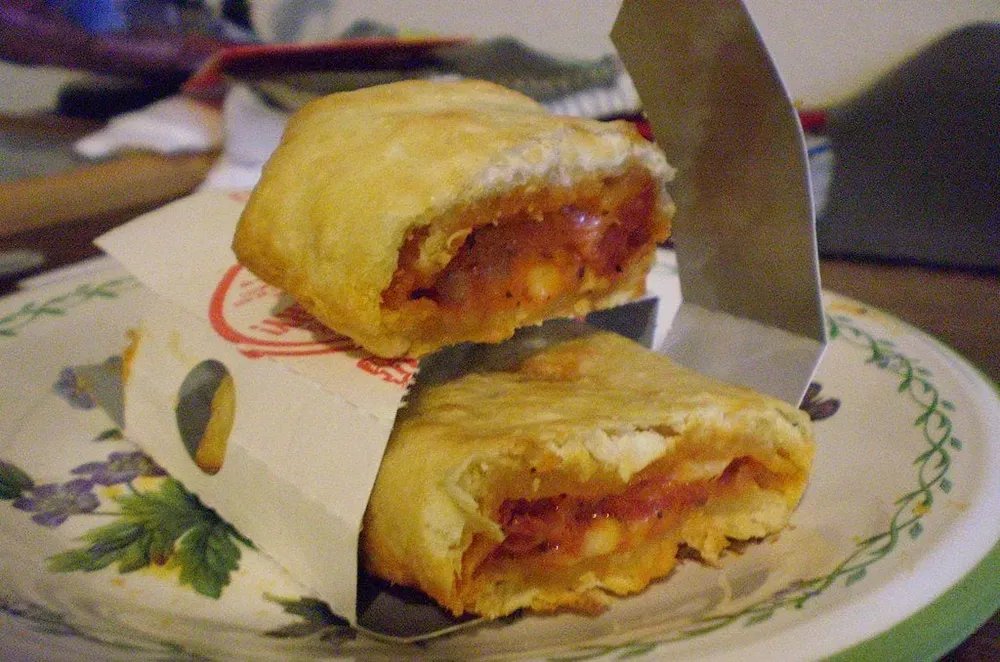
Hot Pockets may seem like a quick fix for hunger, especially when time is tight or you want something effortless. Unfortunately, this convenience food falls flat on nutritional value, mainly because it’s loaded with artificial preservatives, processed meats, and questionable flavour enhancers that do little for your health.
A glance at the ingredient list reveals a host of unhealthy substitutions—including trans fats, artificial colourings, and excessive sodium. For older men, regularly eating Hot Pockets can elevate blood pressure, clog arteries, and increase their risk for metabolic syndrome, making them a food best left in the freezer aisle.
Pop-Tarts Aren’t Worth the Nostalgia
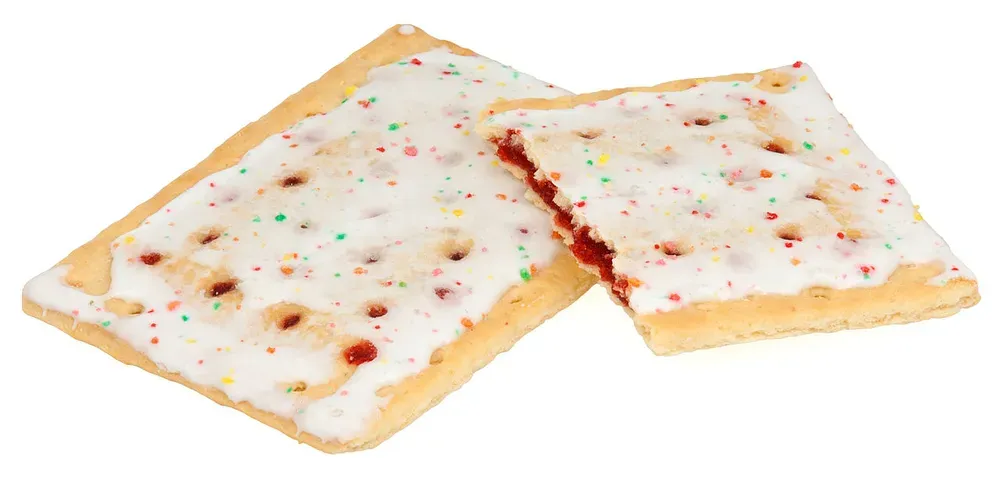
Pop-Tarts may bring back fond childhood memories, but as we age, it’s important to realise their impact on our well-being. These toaster pastries offer little nutritional value and are loaded with sugar, artificial flavours, and preservatives that can harm your body, especially as you get older.
A major concern in Pop-Tarts is the presence of TBHQ (tertiary butylhydroquinone), a common preservative used in processed foods. Each pastry packs around 200 empty calories and virtually nothing beneficial for your health, making this treat better left in the past.
Why Deep Dish Pizza Should Be Off Your Plate
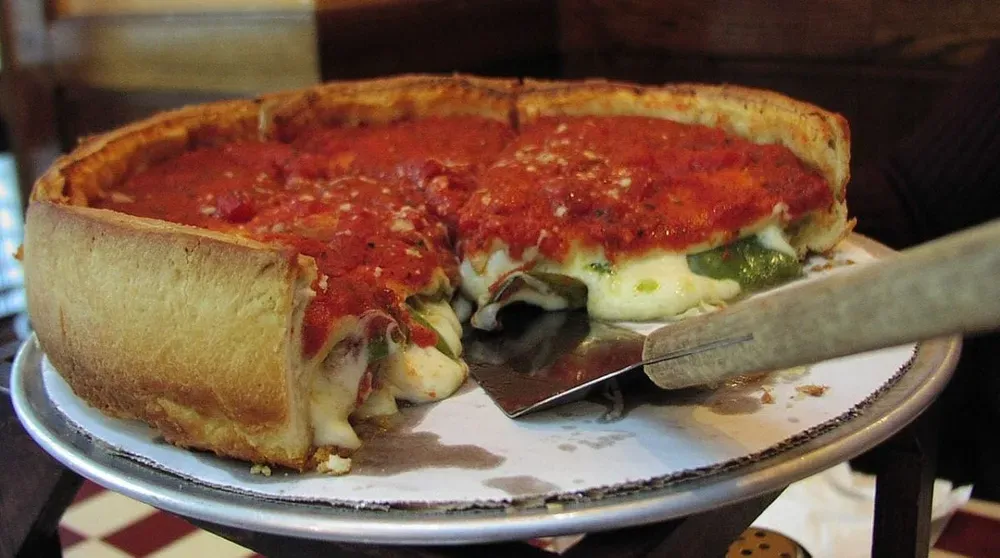
While it’s tempting and delicious, deep-dish pizza is notoriously heavy on calories and unhealthy fats. The rich, thick crust is high in refined carbs, and when combined with layers of gooey cheese and fatty meats, it quickly adds up to a meal that’s tough on your body.
Just two generous slices of deep-dish pizza can deliver a staggering 1,300 calories, putting a huge dent in your daily intake. Fortunately, you don’t have to give up pizza entirely – opting for a thin crust and lighter toppings can still satisfy your cravings without the excess.
Why You Should Leave Oreos on the Shelf
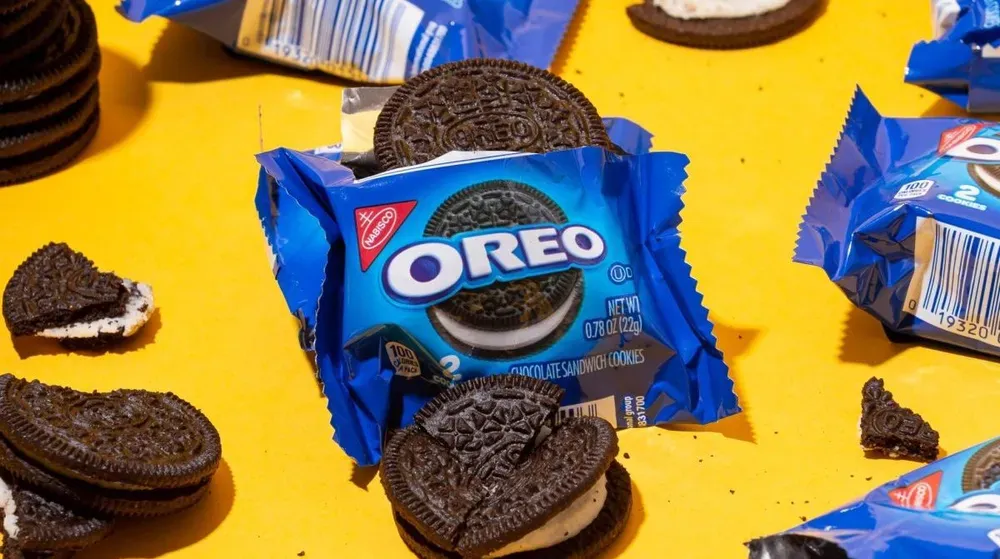
Many love Oreos for their nostalgic comfort, but the truth about their ingredients makes them a risky snack. If you take a closer look at the label, you’ll find hydrogenated palm oil, which is used to create that signature creamy centre and keep the product shelf-stable.
The problem with palm oil is that it encourages inflammation in the body and is packed with unhealthy fats. Oreos are also loaded with sugar, making them addictive and easily over-consumed, a combination that’s particularly undesirable as you grow older.
What’s Really Inside Chicken Nuggets?

Chicken nuggets have become a staple in fast-food meals, but they’re far from a healthy choice for ageing men. Beyond chicken, they’re filled with synthetic compounds like diglycerides, artificial colouring such as Red #40, and additives like carrageenan.
With more artificial ingredients than actual chicken, these nuggets can introduce a host of harmful chemicals into your body. Consuming them regularly can put your health at risk and make it much harder to maintain overall wellness as you age.
Bacon: The Danger Behind the Crisp
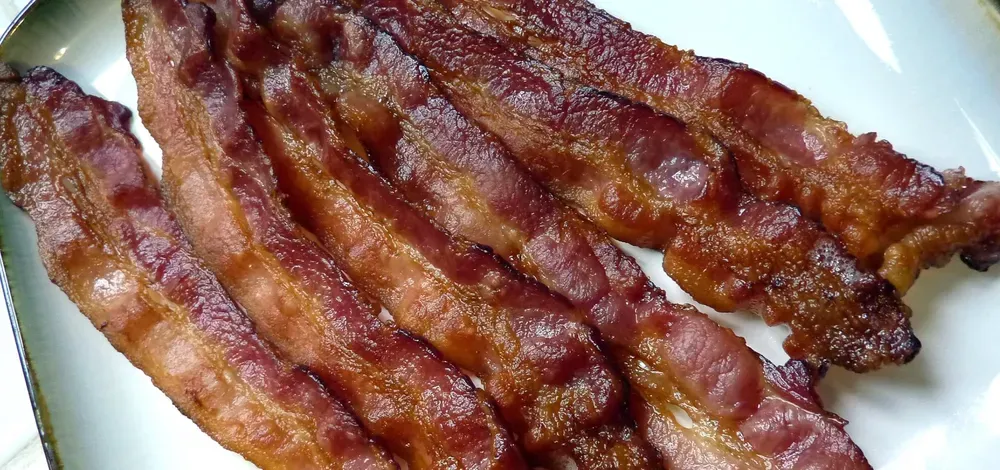
Bacon remains a favourite indulgence for many men, but there’s more to worry about than just fat and salt. It’s particularly high in advanced glycation end products (AGEs), which are harmful compounds that form during high-temperature cooking.
AGEs have been closely linked to inflammation and an increased risk of various chronic conditions, including cancer. For men over 60, it’s worth considering skipping bacon altogether or making it an infrequent treat rather than a regular part of your diet.
Coffee Creamer Tricks Many
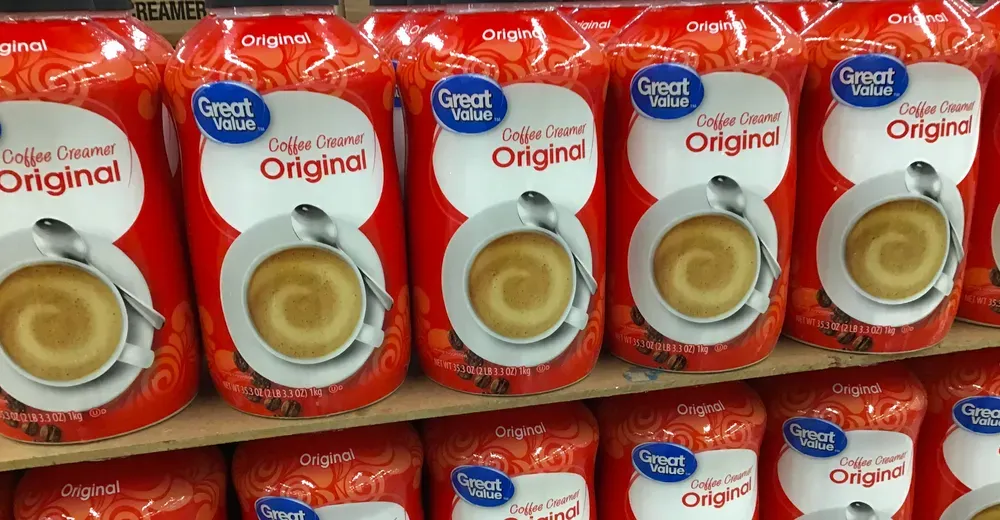
Don’t let the name fool you—most coffee creamers have little to do with actual cream. Instead, they typically feature a blend of sugar and highly processed vegetable oils, particularly soybean oil. Additives such as diglycerides round out the ingredient list, making these creamers a cocktail of artificial substances that can create long-term health issues, especially for men over 60 who need reliable nutrition.
Despite the negativity surrounding real dairy in recent years, natural milk or cream is far superior to the synthetic concoctions found in many coffee creamers. Artificial creamers offer none of the natural benefits but plenty of unnecessary fats and sugars. For optimal health, especially as we age, sticking with real dairy or a high-quality, unsweetened plant-based alternative is a much wiser choice.
Breakfast Cereals Mask Health Risks
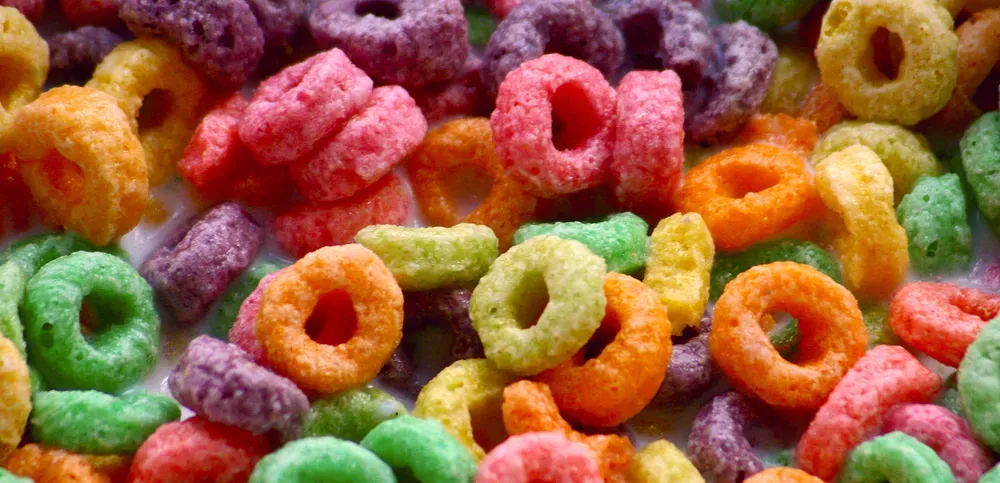
The cereal aisle may look bright and cheerful, but don’t be deceived; many popular breakfast cereals are loaded with hidden dangers. Lurid colours and cartoon mascots often disguise the presence of high amounts of sugar and low-nutrient fillers, making these cereals a poor choice for anyone seeking to maintain healthy eating habits later in life.
Beyond just sugar, numerous cereals sold in the US contain additives and preservatives that have been banned in other countries due to potential health risks. These ingredients can contribute to chronic illnesses over time, making processed breakfast cereals a food that men over 60 should avoid in favour of whole grains and less processed options.
Baked Goods Contain Hidden Dangers
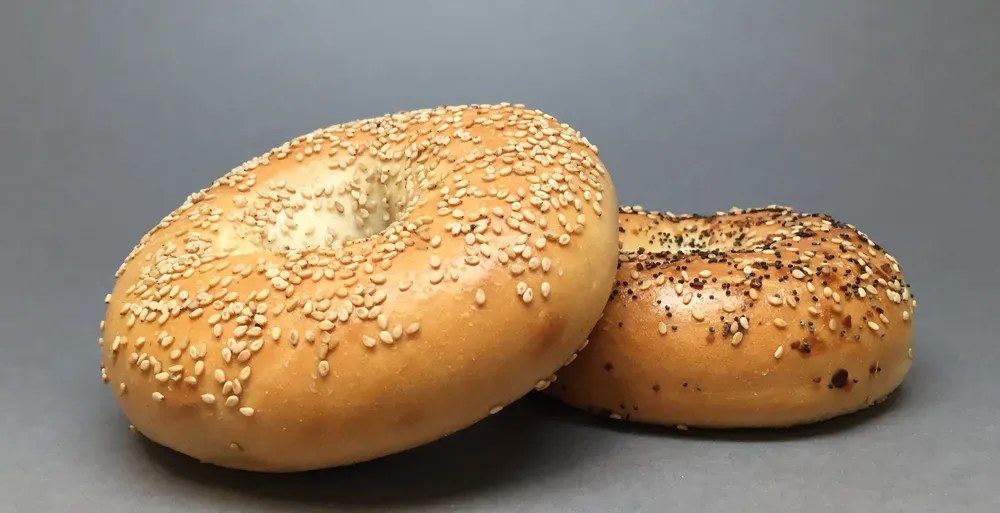
Baked goods such as pizzas, bagels, and even some breads frequently contain potassium bromate, a chemical agent added to whiten and strengthen dough. While it may improve texture and appearance, the health tradeoff is not worth it, especially for older adults looking to safeguard their well-being.
Scientific studies have connected potassium bromate to an array of serious health issues, ranging from tumours to kidney failure and cellular deterioration. For men over 60, continuous exposure to such chemicals can increase vulnerability to these adverse effects, turning favourite baked treats into hazardous choices.
Margarine’s History of Harm

Originally developed by a French chemist in 1869, margarine became popular as a butter substitute at the turn of the century, fueled by public fears about saturated fat. This shift prompted many to use margarine daily without realising the hidden health risks involved.
Recent studies have revealed that the trans fats found in most margarine brands are more harmful than the saturated fats in butter. These trans fats have been strongly associated with increased risk of heart disease, stroke, and systemic inflammation—serious concerns for anyone, but especially for ageing men looking to maintain lifelong wellness.
Frosting: A Sweet Threat

The delightful sweetness of cupcake frosting often masks a series of insidious threats to your health. Many commercial frostings contain titanium dioxide, a whitening agent that research has linked to lung cancer in animal studies, raising serious questions about its safety in the human diet.
Propylene glycol is another common ingredient in frosting, with links to kidney problems—an especially significant concern for older adults. Frosting also frequently includes oils high in dangerous trans fats, turning a childhood treat into a substance best avoided by men over 60 aiming to protect their long-term health.
The Hidden Dangers of Bottled Smoothies

Bottled smoothies are often marketed as a healthy choice, but that perception is misleading. Many people assume these drinks provide a nutritious boost, playing right into the hands of companies eager to promote them as a health food. Unfortunately, marketing claims can hide the reality about what’s inside these convenient bottles, so it’s worth investigating further before reaching for one.
Despite their seemingly wholesome image, most bottled smoothies are loaded with sugar—often on par with sodas—leading to significant spikes in blood sugar and increasing the risk of insulin resistance. When regularly consumed, these sugar-laden beverages may contribute to the development of type 2 diabetes, making them a risky option, especially for men over 60.
Why Hot Dogs Should Stay Off Your Plate

Hot dogs are an American classic, but their nutritional profile should make you think twice. High amounts of saturated fat, sodium, and cancer-causing nitrates are enough to raise concerns. These additives and preservatives contribute to a long list of health issues, which are especially concerning as we age and become more susceptible to chronic diseases.
Perhaps even more unsettling is their sodium phosphate content—a preservative noted for harmful health effects. Some fast food giants, like McDonald’s, have chosen to eliminate it from their menus. The presence of sodium phosphate alone should prompt anyone, especially men over 60, to look for healthier proteins.
The Surprising Risks of Bleached Flour Bread

When selecting bread, many overlook the significance of flour type listed on the label. In the U.S., most bread without the ‘unbleached’ designation is made with azodicarbonamide, a chemical often hidden in the small print. Unlike traditional flour, this ingredient is not simply a minor additive—it can have major implications for health.
Azodicarbonamide, shockingly, is also used in the production of yoga mats and has been associated with asthma in people. Animal research suggests it could even interfere with hormone production. For men over 60, regularly consuming bread containing this additive may increase the risk of respiratory and hormonal health problems.
Sprinkles: Colorful but Concerning

Sprinkles bring vibrant color and fun to desserts, but their ingredients list is far less cheerful. At their core, sprinkles are mostly wax and sugar, along with a problematic cocktail of additives. This visually appealing topping hides a reality of low nutritional value and potentially harmful health effects.
Among the biggest worries are hydrogenated vegetable oils, which studies have linked to heart disease and high cholesterol. Sprinkles also typically contain artificial flavors and synthetic dyes—such as Yellow 5, which can trigger adverse reactions in sensitive individuals. These risks are amplified for aging men looking to protect their heart health.
Why Dried Fruit Isn’t Always a Healthy Snack
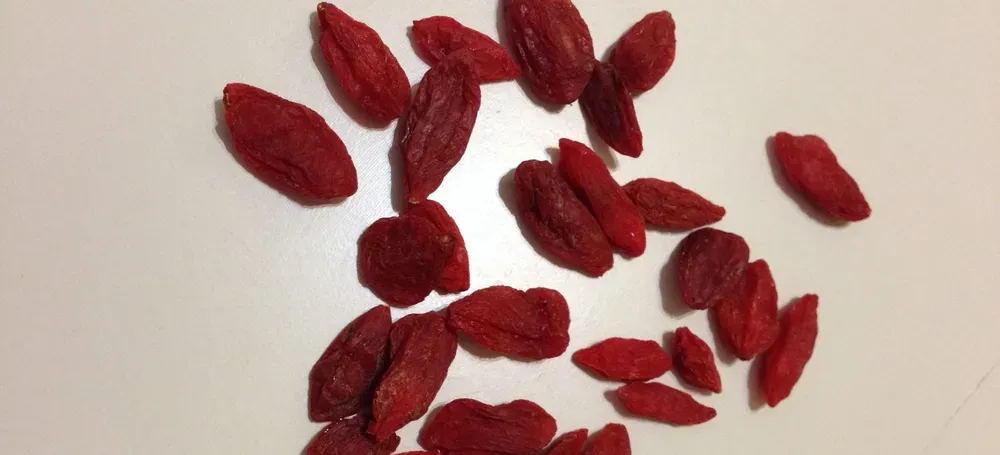
Fruit is generally considered one of the healthiest dietary options, so it’s natural to assume dried versions would be equally beneficial. In reality, most dried fruit snacks are laced with sulphites, a preservative that has been tied to skin rashes and digestive troubles. These additives can transform a seemingly healthy treat into a source of discomfort.
Dried fruit also contains concentrated sugars that make overindulgence all too easy. Just a handful can contain as much sugar as multiple pieces of fresh fruit, leading to excessive calorie intake and fluctuating blood sugar levels. Opting for fresh fruit is always a wiser, healthier choice for older men seeking a nutritious snack.
Bouillon cubes aren’t as harmless as they seem
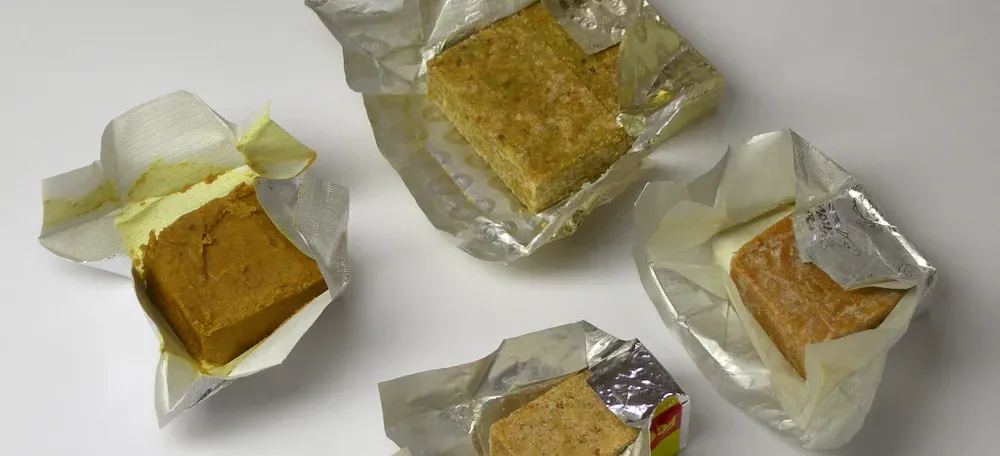
Bouillon cubes provide an easy way to add some umami flavor to stews and soups, but they come packed with a surprising amount of undesirable ingredients. Chief among these is palm oil, which research has linked to an increased risk of heart disease, especially as you get older. Relying on these cubes for flavor can unwittingly add problematic fats and unhealthy additives to your diet.
In addition to palm oil, bouillon cubes contain Yellow 5, a food dye with the alarming ability to trigger asthma attacks—even in individuals who have never previously suffered from the condition. For older men who may already face respiratory or heart issues, these hidden additives can pose significant health risks. Opt for natural herbs and spices to boost your broth’s flavor safely.
Oysters can be a dangerous indulgence with age

Oysters are known for causing stomach discomfort, but for men over 60, the risks are more severe than just a bout of food poisoning. As you age, your immune system becomes less robust and your ability to fight off infections diminishes. Consumption of raw or undercooked oysters increases your vulnerability to harmful bacteria lurking in shellfish, making illness more likely and harder to overcome.
Older adults, especially men over 50, are at heightened risk for severe infections caused by contaminants like vibrio vulnificus and norovirus, commonly found in oysters. These infections can quickly escalate from mild digestive upset to life-threatening conditions, including sepsis or organ failure. In some cases, severe reactions have even resulted in death, making it best to skip the raw shellfish.
Pancake syrup: A sugary trap you should dodge

Most pancake syrups aren’t what they seem—rather than pure maple syrup, they’re synthetic products loaded with high-fructose corn syrup. This ingredient has been linked to a slew of health problems, including an increased risk of obesity, type 2 diabetes, and liver damage, all of which become more difficult to manage with age.
On top of the excessive sugar content, pancake syrups get their classic color from caramel colorings that can contain carcinogenic compounds. Even though real maple syrup also contains natural sugars and should be consumed in moderation, it presents a much healthier alternative. When you want to sweeten your breakfast, the real thing is always the safer bet.
Cool Whip hides much more than just calories
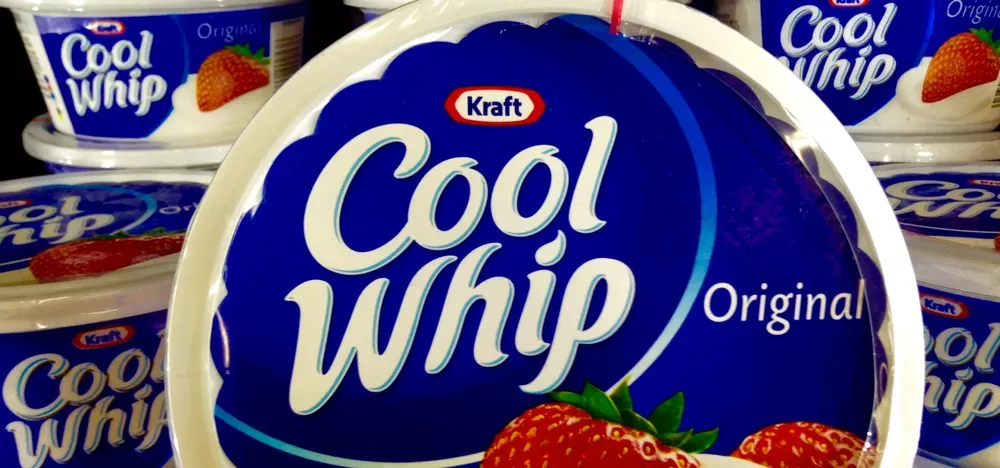
Despite its creamy appearance, Cool Whip never labels itself as actual cream—and for good reason. The reality is, Cool Whip is whipped up from a blend of hydrogenated vegetable oils and high fructose corn syrup, ingredients known for their negative health effects, particularly as we age and metabolism slows.
Packed with trans fats and refined sugars, Cool Whip has been linked to high cholesterol, diabetes, cardiovascular disease, and even higher cancer risk. For men over 60, these health threats are magnified. Instead of topping your desserts with this processed substitute, opt for real, minimally sweetened whipped cream made from fresh dairy.
Twinkies are a ticking time bomb for your health

Marketed as a classic snack, Twinkies are anything but healthy. A single Twinkie packs 4.5 grams of fat, 150 calories, 220 milligrams of sodium, and a hefty 18 grams of sugar. All these numbers can add up quickly, especially if you indulge in more than one serving, derailing healthy habits before you realize it.
The nutritional stats for just one Twinkie are staggering, especially when compared to the American Heart Association’s daily recommendations: no more than 6 grams of saturated fat, 2,300 milligrams of sodium, and 24 grams of added sugars. Eating even a couple of these treats can push you over the limit, increasing your risk for heart disease, high blood pressure, and diabetes.
Boxed mac and cheese
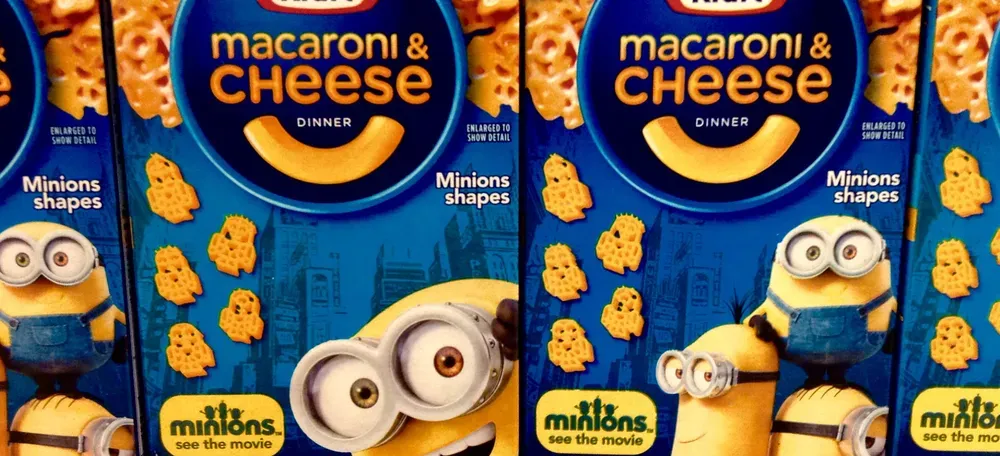
Boxed mac and cheese may evoke childhood nostalgia, but lurking in those neon noodles are ingredients raising serious health concerns. Of particular worry are artificial yellow food dyes, which, apart from altering appearance, have been associated with increased hyperactivity in children and may pose risks to overall well-being.
Additionally, boxed mac and cheese contains phthalates, which are chemicals recognized as potential carcinogens and endocrine disruptors. Despite being banned from use in toy manufacturing for safety reasons, phthalates still make their way into processed foods like this, raising the question: if they’re not safe for children to play with, why eat them?
Pickles
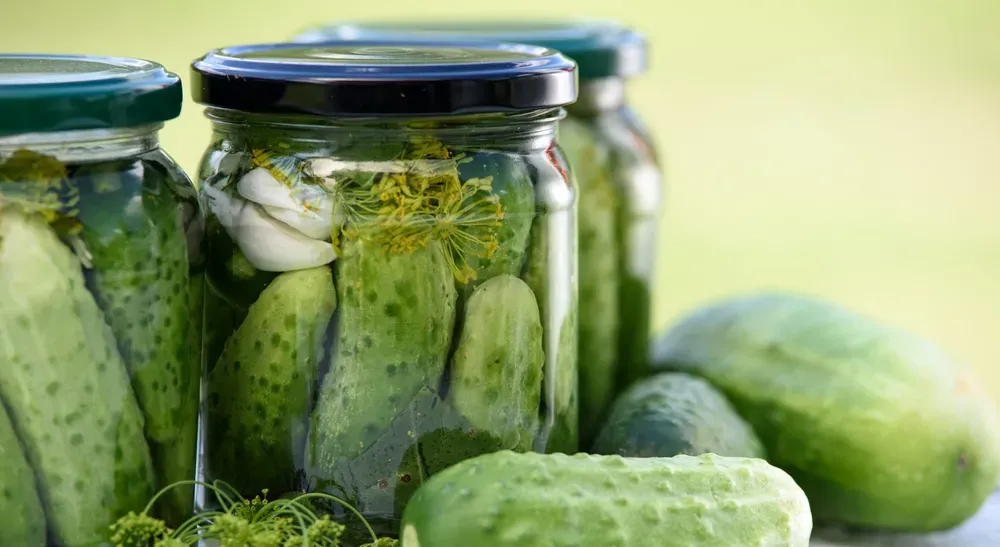
Old-fashioned pickles, made by brining cucumbers in vinegar, can be a wonderfully healthy addition to your diet, supplying beneficial probiotics and a good range of vitamins. Unfortunately, not all pickles on store shelves are made equally or as simply, with many brands opting to compromise traditional methods for mass production.
To boost visual appeal, manufacturers often add yellow food dyes to pickles, introducing artificial chemicals into the mix. Some brands go further by including additives like polysorbate 80, an emulsifier that research has shown to cause cancer in laboratory rodents. These hidden ingredients can make store-bought pickles a poor health choice.
Turkey bacon
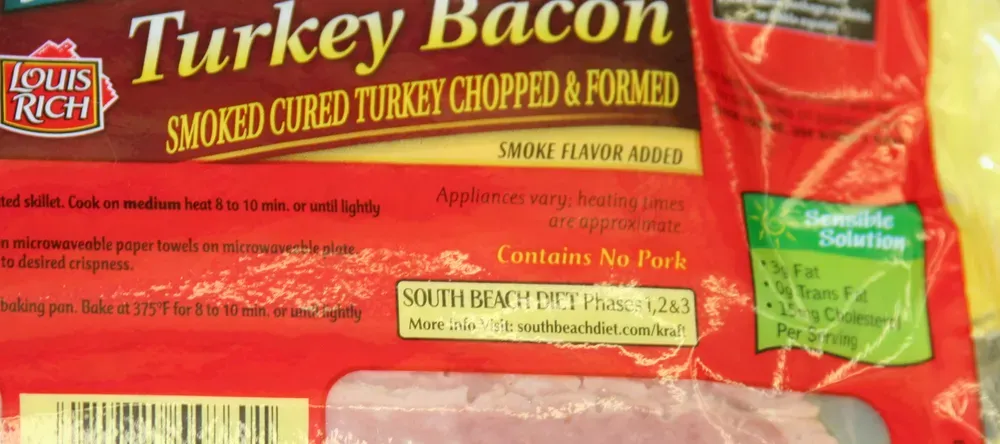
Many believe turkey bacon is a healthier choice, hoping it’s a smarter alternative to regular pork bacon. Unfortunately, this perception is far from reality. Turkey bacon contains just as much fat and sodium and is loaded with the same problematic ingredients as the pork version, negating the supposed health advantages in practice.
The real issue lies in the use of nitrates within turkey bacon, additives that help preserve color and flavor but can form carcinogenic compounds as they break down during digestion. Regardless of clever marketing, swapping pork for turkey bacon does not guarantee a healthier breakfast plate.
Yogurt-coated raisins
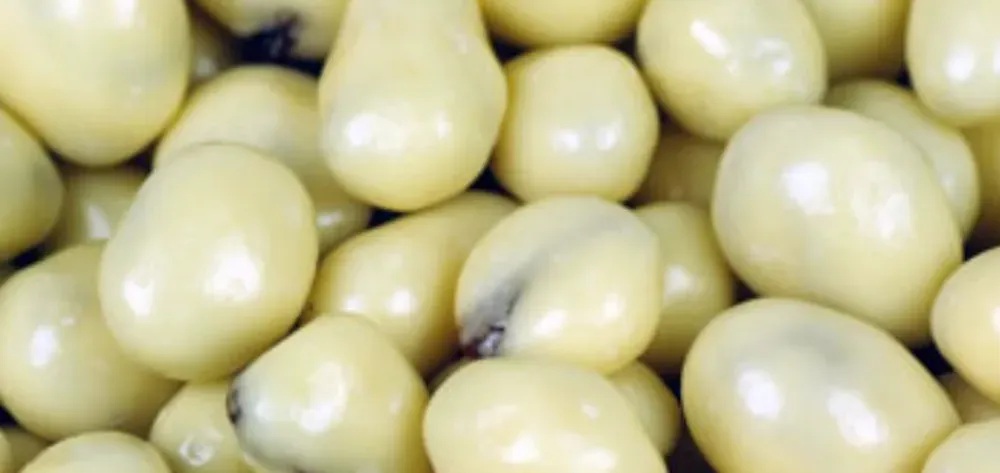
Marketed as a wholesome snack, yogurt-coated raisins often wind up in the health food aisle, misleading shoppers with their innocent yet deceptive appearance. The truth is, the so-called yogurt coating rarely resembles real yogurt, offering little of its acclaimed nutritional value.
Beneath the sweet shell lies a mix of added sugars, hydrogenated oils, and titanium dioxide, all combined to achieve the familiar white coating. Only a minimal amount of actual yogurt powder is added—just enough to sidestep legal trouble over misleading advertising. These snacks are far from the nutritious treats they claim to be.
Processed oils
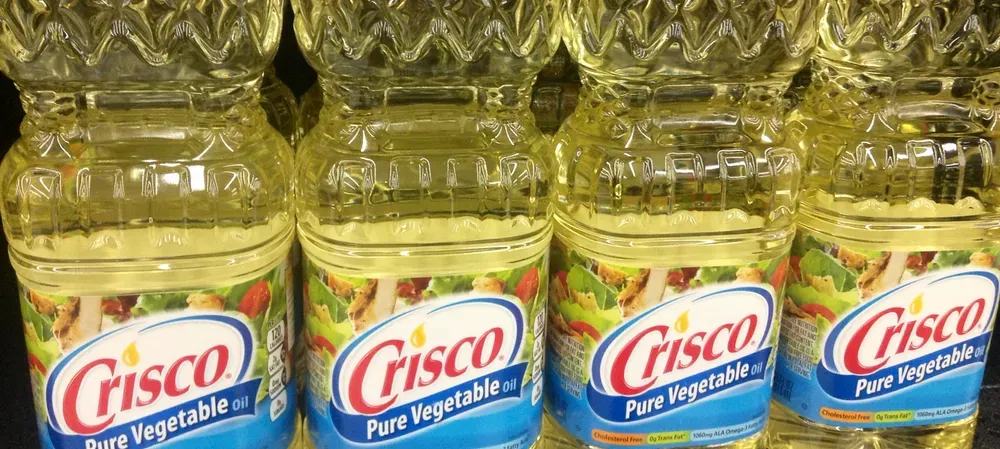
Highly processed oils such as canola, cottonseed, and corn oil have gained popularity in modern cooking, but growing evidence suggests that their production processes may make them harmful to health, especially for men over 60. These oils undergo extreme heating during extraction, which is anything but gentle.
The intense heat oxidizes the oils and generates unhealthy free radicals, which can harm cells and contribute to chronic diseases as you age. For a healthier alternative, opt for organic, cold-pressed, extra virgin olive oil, which retains beneficial nutrients and does not undergo harsh processing.
Cheetos: The Irresistible Snack That’s Hard to Stop
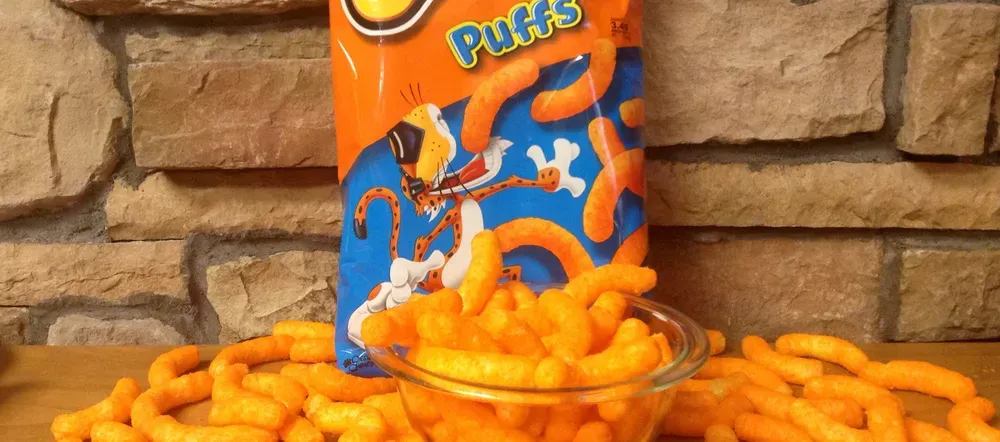
Cheetos melt almost instantly on your tongue, a property food scientists call ‘vanishing caloric density.’ This sensation can trick you into eating far more than you realize, increasing the odds of overconsumption each time you dig into a bag. For older men, these empty calories can add up quickly and offer very little nutritional benefit.
Beyond just the addictive melt-in-your-mouth experience, Cheetos are packed with concerning ingredients such as monosodium glutamate (MSG) and Yellow 6 food dye. These additives have been associated with a range of health issues and offer no nutritional value, making Cheetos a questionable snack choice for men over 60 seeking to prioritize their wellbeing.
Why Canned Soup Misses the Mark for Senior Health

Though canned soup is convenient and can be comforting, it often comes with some major health drawbacks. Chief among these is the sheer amount of salt crammed into each serving, which can pose significant risks for those managing blood pressure or heart conditions. Just one can might be enough to exceed your daily sodium limit.
To make matters worse, a single serving can contain nearly two grams of salt, far exceeding safe limits for many older adults. There’s also concern about chemicals from the can itself—like BPA—leeching into the soup, which could have negative effects on your long-term health with frequent consumption.
Sugar-Free Jell-O: A Sweet Treat with a Sour Side

It might seem like a healthy move to opt for sugar-free Jell-O, but beware: the alternatives used to replace sugar—like aspartame, acesulfame potassium, and artificial colorings—could be more harmful than the sugar itself. These sweeteners offer little in the way of nutrition and have raised health concerns in many studies.
Artificial sweeteners and colorants found in sugar-free Jell-O have been linked to a range of conditions, from cancer risks to behavioral changes in children. For men over 60 looking to avoid unnecessary health risks, it’s often safer to choose the classic version in moderation rather than artificial, sugar-free options.
The Downside of Refined Carbohydrates in Your Diet
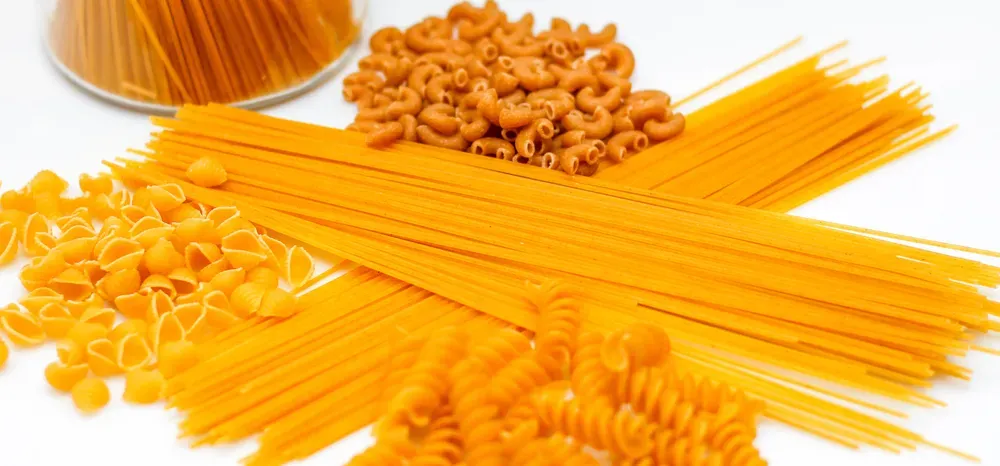
Refined carbohydrates such as white bread, white rice, and pasta have been stripped of their natural fiber, vitamins, and minerals during processing. While they may taste better to some, these foods can promote inflammation and add very little value to your daily nutrition, which becomes increasingly important with age.
On top of their inflammatory potential, refined carbs lack key nutrients, including antioxidants, vitamins, and minerals—all essential for maintaining good health after 60. Switching to whole grain alternatives is a simple way to ensure your diet is boosting your well-being, not detracting from it.
Easy Cheese: When Convenience Goes Too Far

Easy Cheese in a can is a uniquely American phenomenon that’s tempting for its convenience, yet offers almost nothing good for your health. This processed product is loaded with calories and unhealthy fats—enough to throw a wrench into your nutritional goals, especially as you get older.
Just two spoonfuls of Easy Cheese clock in at 275 calories with a hefty 21 grams of fat—about half of which is saturated. Consuming this kind of processed cheese regularly can be harsh on your cardiovascular system and should be avoided to maintain a healthy diet after 60.
Why Fried Foods Are Especially Problematic After 60
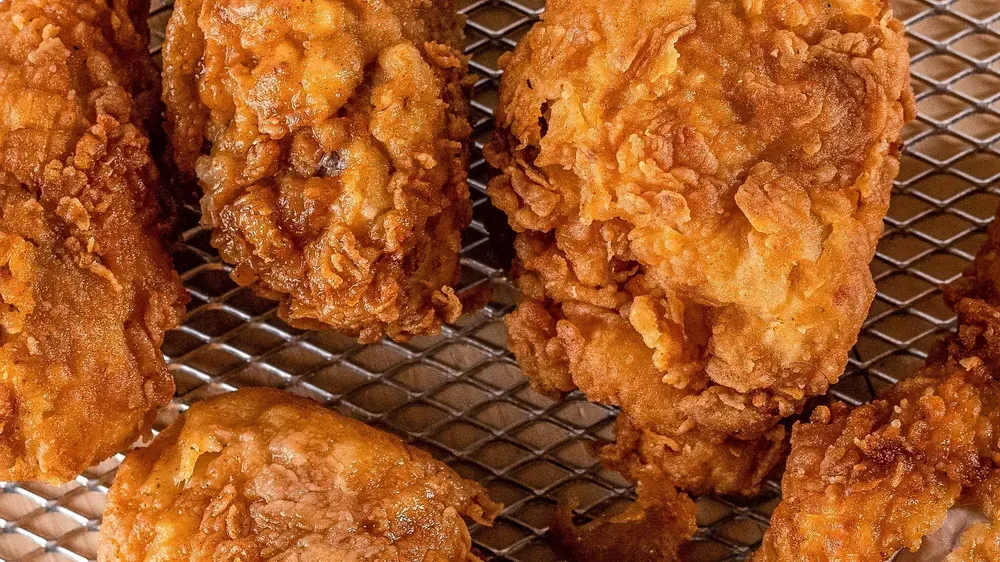
Dishes like calamari, fried chicken, and onion rings may be delicious, but their impact on health is especially concerning for men over 60. The danger lies in how these foods are prepared – deep frying submerges them in super-heated oils, saturating them with unhealthy fats.
These fried favorites are also loaded with advanced glycation end products, compounds that ramp up inflammation throughout the body. This inflammation can lead to serious health issues, from greater risk of depression to an increased chance of developing cancer.
The Hidden Dangers Lurking in Energy Drinks
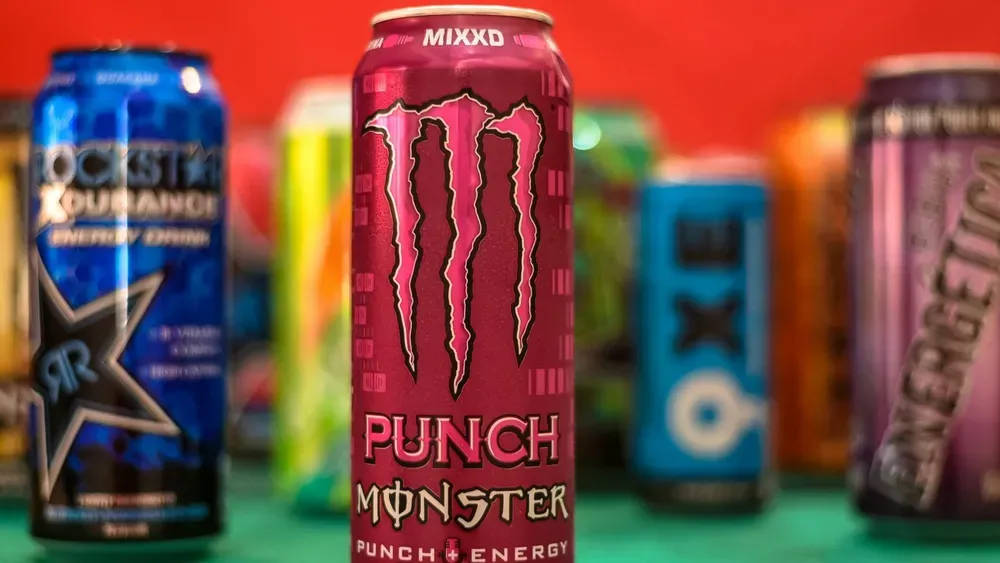
Despite their sporty image, energy drinks are far from a healthy choice, especially for older men. Many people assume they boost energy naturally, but these beverages are actually laden with ingredients that can spell trouble for your health.
Energy drinks contain high levels of sugar, artificial sweeteners, and synthetic food dyes. Even more worrisome, studies have linked regular consumption of these drinks with potential long-term liver damage, making them a risky pick for those over 60.
Pre-Made Pie Crusts: A Time-Saver With a Downside

Store-bought pie crusts might seem convenient, but a closer look at the ingredient list reveals a number of red flags. Many pre-made pastries rely on additives to extend their shelf life and maintain texture, which can be problematic for older adults.
Of special concern are the preservatives BHA and BHT, which are commonly found in these crusts. These substances have been banned in several countries after research linked them to cancer, making homemade crusts a safer bet.
BBQ Sauce: More Than Just a Flavor Booster
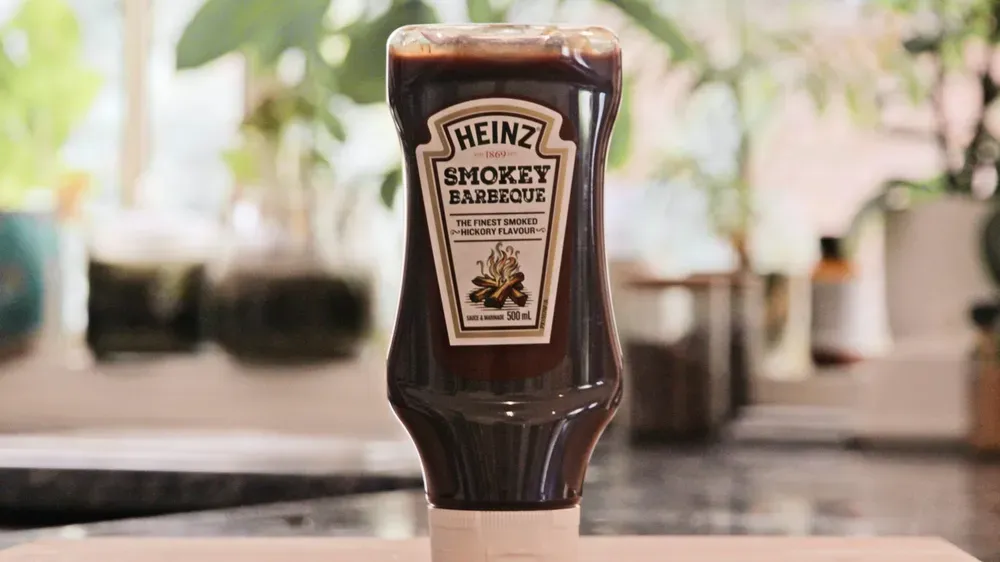
While condiments like BBQ sauce can add excitement to meals, they may also be a source of hidden sugars and calories. Many people are unaware of just how much sugar and sweetener is packed into their favorite brands of BBQ sauce.
Most store-bought BBQ sauces use high-fructose corn syrup for that extra sweetness. This ingredient has been tied to greater risks of inflammation, diabetes, and heart disease—health concerns that become more critical as men age.
The Not-So-Sweet Truth About Cheesecake Factory Cheesecake

Indulging in a slice of cheesecake at the Cheesecake Factory may seem like a treat, but the nutritional facts tell a different story. Many customers don’t realize just how extreme the calorie and sugar content is in a single serving.
A standard slice contains a staggering 830 calories, 51 grams of sugar, and 59 grams of fat—over half of which is the harmful saturated type. These numbers can quickly derail healthy eating efforts, especially for men in their 60s and beyond.
Bottled water isn’t always as harmless as it seems
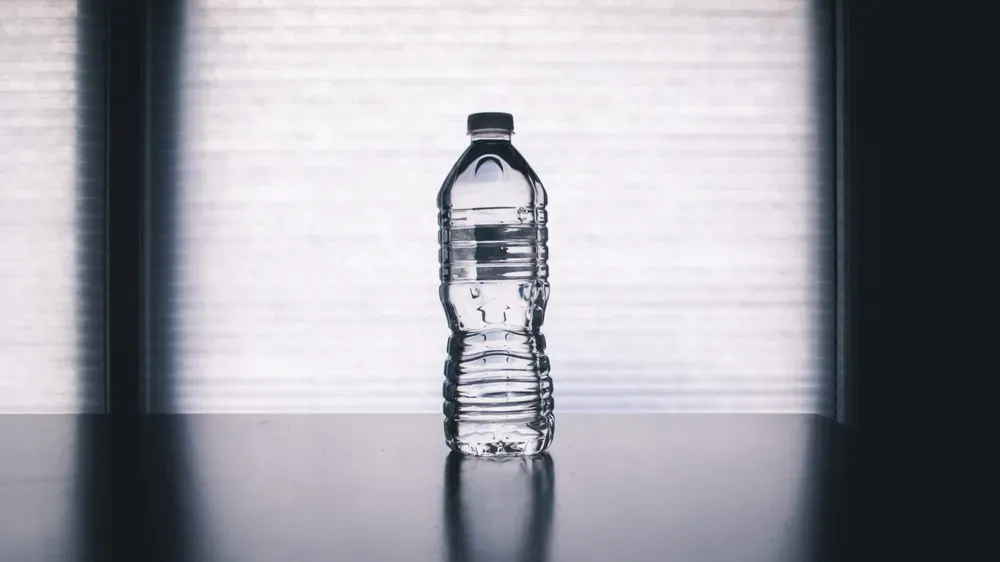
At first glance, water appears to be one of the healthiest choices you can make. However, when it’s packaged in plastic bottles, the story changes. These bottles often contain bisphenol-A, a compound that’s raising concerns among health experts for good reason.
Better known as BPA, this chemical has been linked to significant disruptions in hormone production. Over time, its presence can have unfavourable effects, including fertility problems and a higher risk of certain cancers—an especially serious concern as you age.
Maraschino cherries are more chemical than fruit

Maraschino cherries might look like a fun addition to desserts, but they’re packed with ingredients that could undermine your health. When you consider what goes into preserving that vibrant red color, it’s easy to see why they don’t belong in your grocery cart.
From artificial dyes to an overload of high-fructose corn syrup and preservatives, there’s not much actual fruit left in these cherries. Their disturbingly long shelf life is more about chemical preservation than nutrition, so it’s wise to leave them out of your diet.
Fettuccine Alfredo: Creamy comfort with a calorie cost
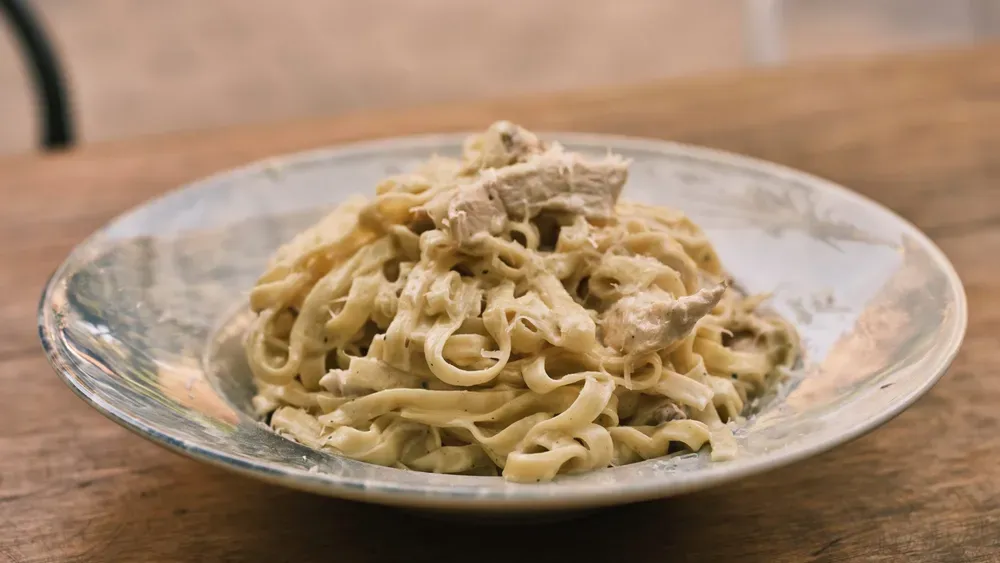
It may sound like an authentic Italian classic, but Fettuccine Alfredo as served in most American restaurants is a far cry from its origins. The dish is designed to appeal to richer, creamier preferences, often at the expense of your well-being.
Loaded with heavy cream, butter, and cheese, Fettuccine Alfredo is a calorie-laden indulgence. Regularly consuming meals this high in fat can sabotage efforts to maintain a healthy weight and elevate your risk for heart disease and other age-related health issues.
Breakfast biscuits come with hidden health risks

While grabbing packaged breakfast biscuits seems convenient, many brands—such as those from major manufacturers—aren’t doing your health any favors. What often goes unnoticed are the concerning ingredients found in these quick breakfast options.
These biscuits frequently rely on bleached flour and hydrogenated oils to create their signature texture. According to the FDA, these components are linked to an increased risk of cardiovascular disease, making them a poor choice for those looking to protect their heart.
Taco bowls can be a nutritional trap
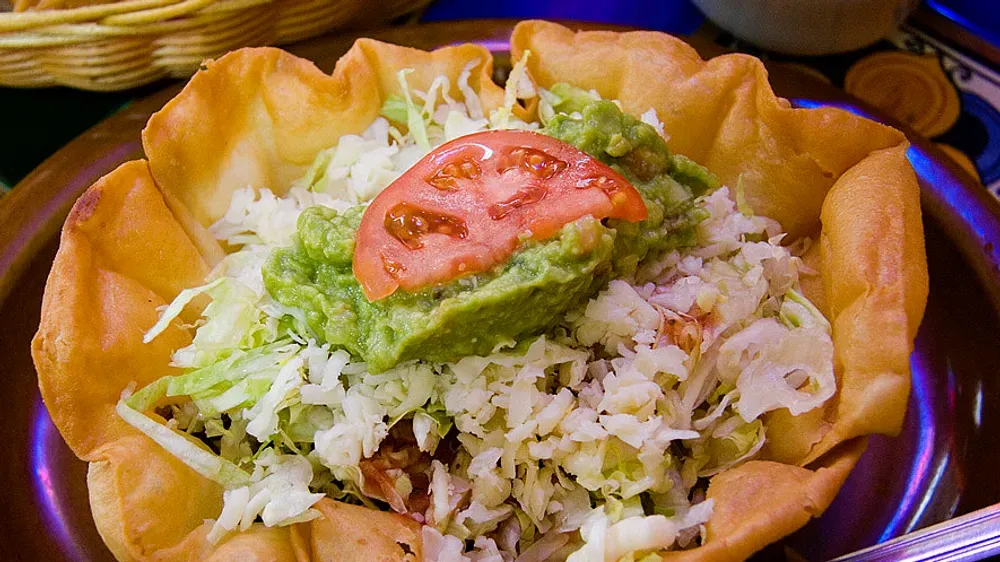
Taco bowls are often marketed as the lighter option at restaurants. However, they’re usually just tacos served in a larger vessel, with the potential to pack in even more calories if you’re not careful with your selection of toppings and fillings.
The truth is, most taco bowls overflow with fatty meats, melted cheeses, and creamy sauces, resulting in excessive levels of fat, sugar, and sodium. This combination is far from heart-healthy and could derail your nutritional goals after 60.
Frozen pizza isn’t as harmless as it seems
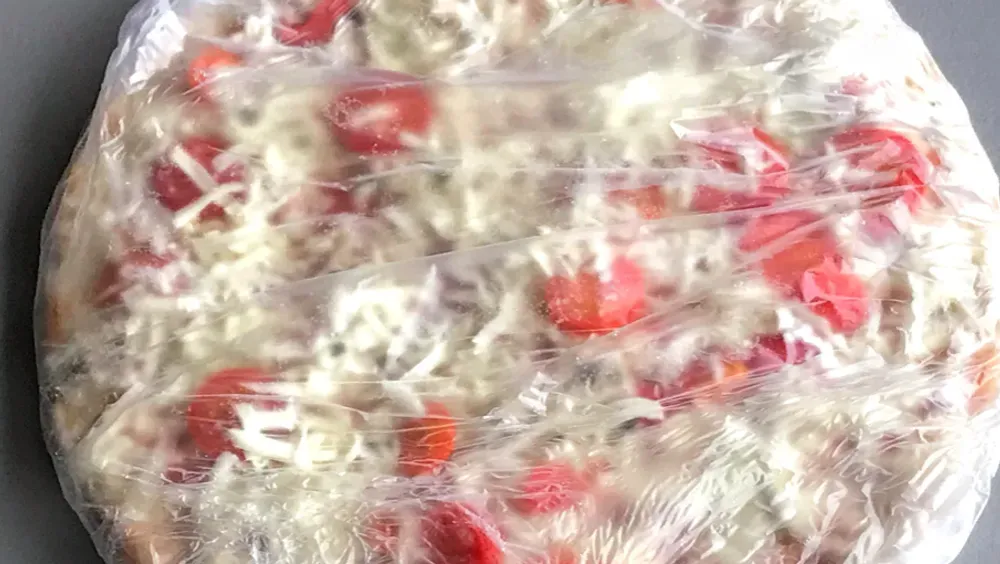
When it comes to cooking, convenience usually comes at a cost. In the case of frozen pizzas, that cost is your health. Many brands of frozen pizza contain additives like L-Cysteine hydrochloride, an ingredient you wouldn’t typically use at home, but is found in some processed foods to improve their texture and shelf life.
Frozen pizza can also contain ammonium sulfate, which might look familiar if you’ve ever read the ingredients of lawn fertilizer. It goes without saying, you don’t want fertilizer in your body. Consuming these artificial additives can pose long-term health risks, especially for men over 60 who need to prioritize a nutritious diet.
Artificial chocolate is packed with unhealthy extras

Real chocolate is often high in sugar and fat (unless it’s dark, in which case it can be healthy in moderation), but it’s generally free from sinister chemicals. If you enjoy chocolate, choosing the real thing — especially high-cocoa dark chocolate — is usually the better option for your wellness.
The same cannot be said for artificial chocolate, like the kind often found on donuts, which is full of inflammatory oils and other synthetic nasties. These chemically-manufactured chocolates can contribute to inflammation, making them a poor choice for aging men trying to maintain good cardiovascular health.
Nachos are a calorie trap waiting to happen
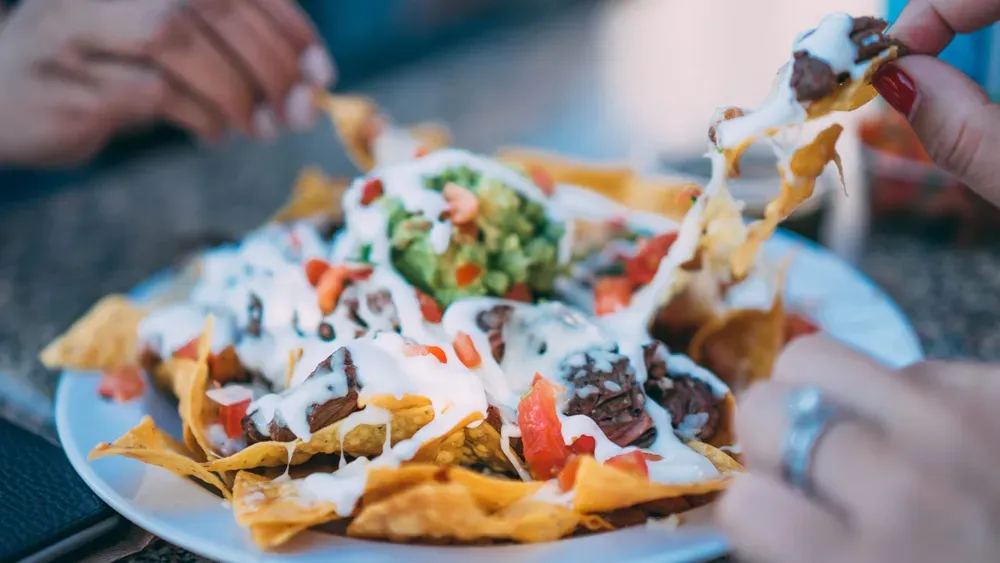
Nachos themselves aren’t all that bad for you. They don’t contain much in the way of nutritional value, but they’re not particularly harmful on their own. However, plain nachos are rarely how most people enjoy this classic snack.
Unfortunately, nachos normally come smothered under a towering mound of sugary salsa, ground beef, calorie-dense sour cream, and handfuls of shredded cheese. Doesn’t sound super-healthy, does it? The result is a dish that’s high in sodium, saturated fat, and empty calories — a triple threat for anyone over 60.
Water enhancers may do more harm than good
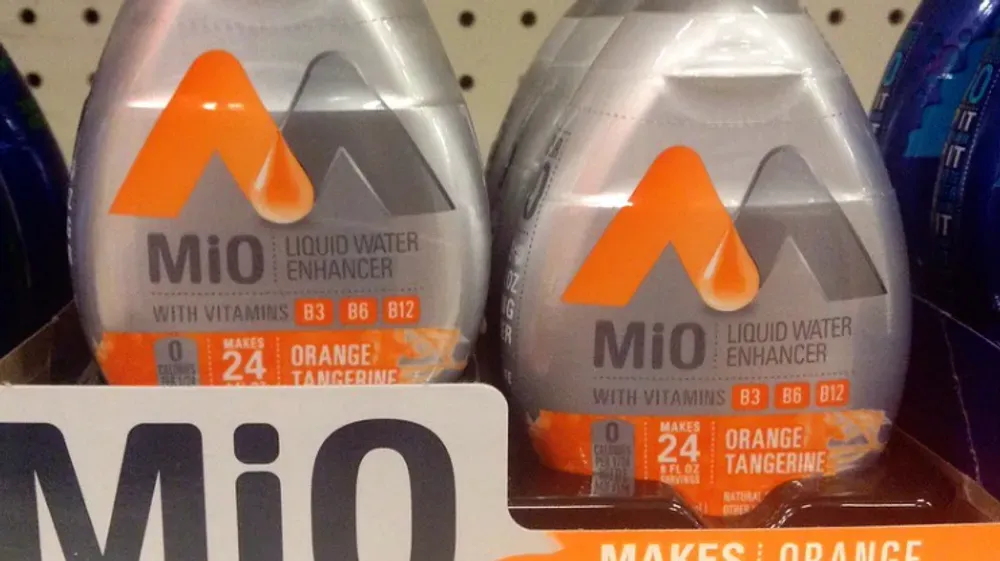
The Mayo Clinic recommends men aim for 15 cups of water per day. It can be hard to remember to drink that much water, so many people turn to flavour enhancers. These tiny bottles of concentrated flavour seem like a harmless and even helpful addition to your hydration routine.
Unfortunately, most brands of water enhancer fill their products with harmful chemicals like acesulfame potassium, a sweetener which has been linked to metabolic disorders. For men over 60, steering clear of these additives is key to supporting overall health and avoiding unnecessary chemical exposure.
Veggie burgers aren’t always a healthy swap

Health concerns around red meat have grown in recent years, with studies linking it to cardiovascular disease, strokes, and cancers of the colon and bowels. This has prompted many people, especially those over 60, to look for seemingly healthier alternatives, such as veggie burgers.
As a result, many consumers are opting for veggie options when it comes to foods like burgers. Unfortunately, the compounds used to colour veggie patties are also hugely damaging. Many of these synthetic ingredients have unclear health effects, so it’s important to check labels carefully before making the switch.
Hidden Dangers of Tuna
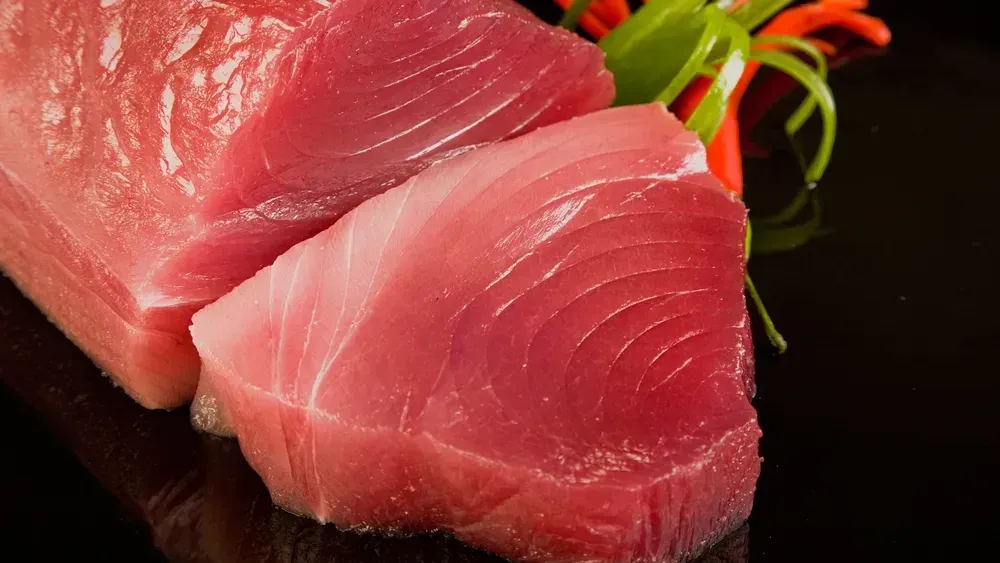
Tuna, despite its reputation as a heart-healthy food, can harbor concerning levels of mercury that often go unnoticed. According to the FDA, mercury levels in popular varieties of tuna can range from 0.12 to as high as 0.68 parts per million (PPM). For men over 60, this is problematic, as their bodies may have a harder time eliminating toxins, resulting in a gradual but harmful buildup.
As highlighted by LiveScience, frequent mercury exposure from eating tuna poses serious health risks that shouldn’t be ignored. Over time, mercury can accumulate in the body, potentially leading to tremors, vision loss, and, in extreme cases, even death. Men should moderate their tuna intake to reduce this risk and protect their long-term neurological health.
Rethinking Soybean Oil
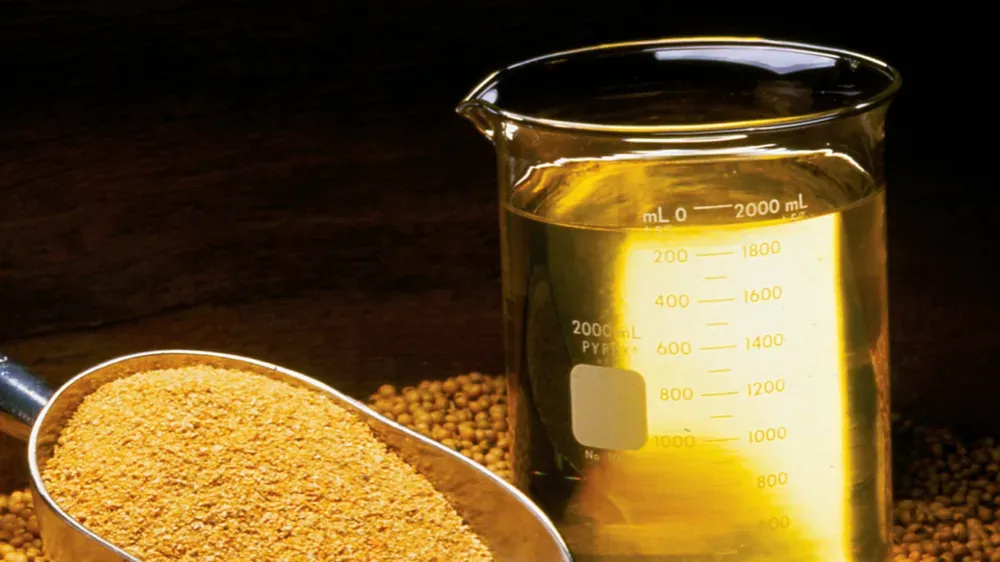
Soy-based foods such as tofu and soy milk are celebrated in health circles for their many benefits, but not all soy products are equally healthful. Soybean oil, which is widely used in processed foods, is a different story altogether and may not deserve its healthy reputation, especially for older men who are more vulnerable to cognitive decline.
Multiple studies have drawn links between the high consumption of soybean oil and negative effects on the brain. Research indicates it can provoke inflammation, which in turn is connected to conditions such as Alzheimer’s disease and depression. For men over 60, it’s wise to limit soybean oil and opt for healthier oils when cooking at home.
The Downside of Bottled and Canned Coffee
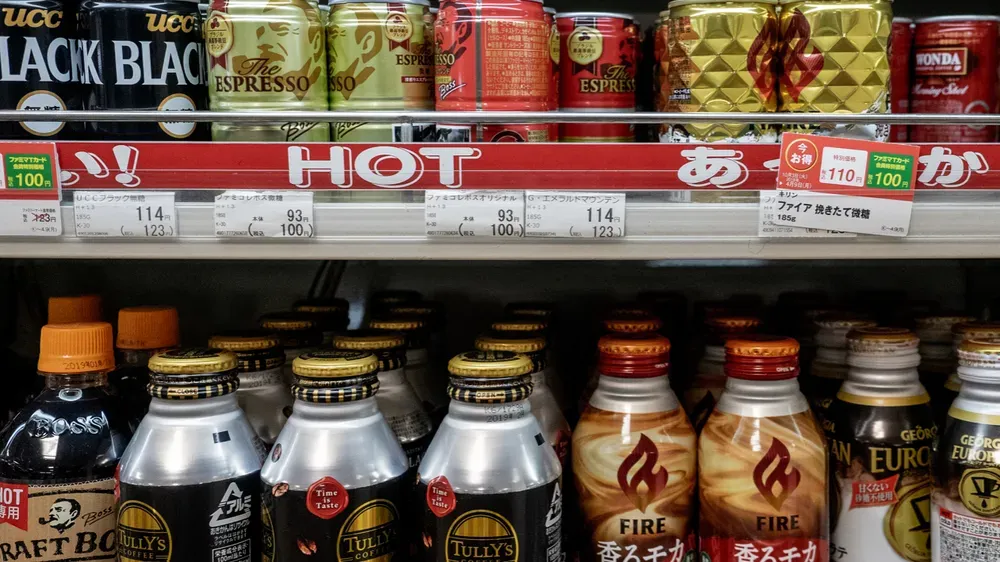
Coffee is a daily staple for most Americans, delivering a familiar caffeine boost and a host of antioxidants. However, not all coffee beverages offer the same benefits. Bottled and canned coffees, now available everywhere from supermarkets to gas stations, differ greatly from freshly brewed coffee in important ways for health-conscious older men.
These convenient drinks are often packed with excessive sugar or loaded with artificial sweeteners to enhance taste and shelf life. This can contribute to weight gain, blood sugar spikes, and metabolic issues over time. Men over 60 should stick to freshly brewed coffee and avoid these sugary, processed versions to protect both heart and brain health.
Frozen Fish: What Lurks Beneath
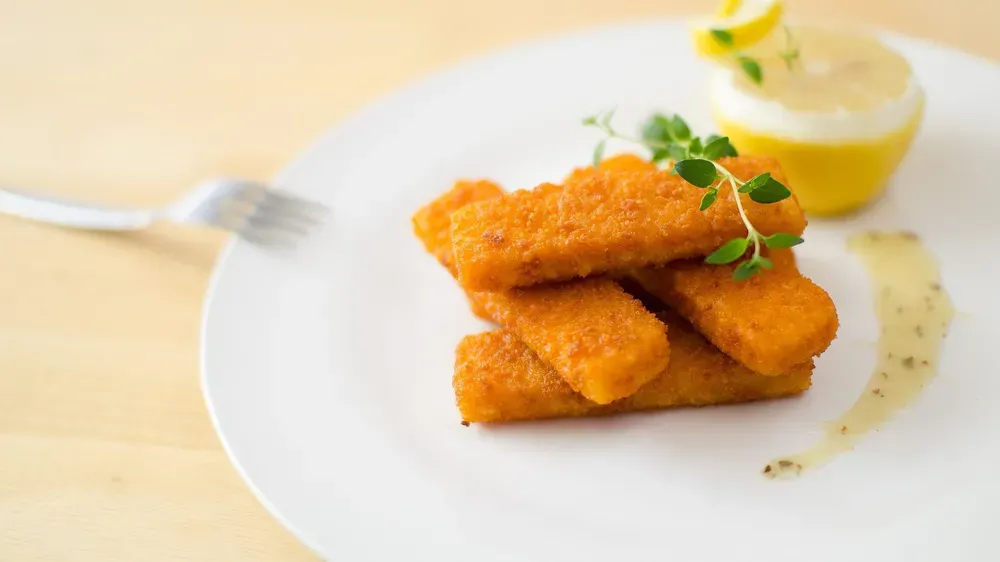
Frozen fish might seem like a convenient way to incorporate more seafood into your diet, but there’s more to the story. Unfortunately, freezing alters fish’s texture due to water loss, prompting manufacturers to use additives like sodium tripolyphosphate (STPP) to maintain appearance and moisture content. This additive is not without concerns, especially for aging bodies.
Research points to STPP’s possible neurotoxic effects, making it a poor choice for anyone, let alone seniors more vulnerable to neurological issues. Consuming fish regularly is valuable for your heart and mind, but aim to choose fresh, high-quality options instead of frozen varieties that may contain harmful preservatives.
Microwave Popcorn: A Snack to Skip
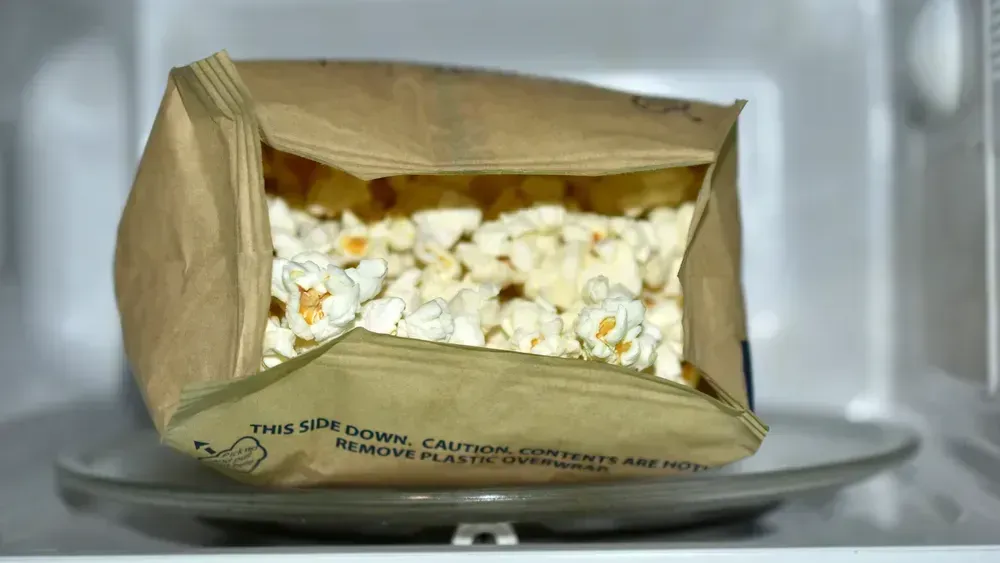
Popping a bag of popcorn in the microwave might be an easy way to indulge your cravings during a movie, but what’s inside the bag could impact your health. Many microwave popcorn varieties contain diacetyl, a chemical flavouring agent, that has shown a strong association with lung disease when inhaled or consumed in significant amounts.
Alongside diacetyl, these snacks typically include high levels of sodium, artificial butter flavouring, and various preservatives, all of which can add unnecessary unhealthy fats and further undermine cardiovascular health. Men over 60 should consider making popcorn at home from scratch to avoid these hidden dangers.
Cream-filled pastries

Indulging in pastries and cream-filled cakes may seem like a sweet escape, but these treats are packed with calories, fats, and sugars, without offering much in the way of nutrients. Regularly snacking on these can lead to empty calorie overload, leaving your body lacking the vitamins and minerals it truly needs for healthy aging.
Making them a regular part of your diet could lead to unwanted weight gain, boost your risk of type 2 diabetes, and send your cholesterol levels soaring. Over time, the accumulation of unhealthy fats and sugars can increase your vulnerability to heart disease and metabolic issues.
Instant ramen

Craving a quick and easy meal? Instant noodles like Cup Ramen may seem like the answer, but beware, they come with a catch! Despite their convenience and comforting appeal, these noodles are often sorely lacking in nutrition, providing little more than empty carbohydrates.
While convenient, they are typically loaded with sodium, unhealthy fats, and preservatives, and offer little in the way of nutritional value. Excess sodium intake can place additional stress on the heart and kidneys, which is especially concerning for men over 60.
Cotton candy

This fluffy carnival staple is mainly spun sugar without any nutritional value, and indulging in this fluffy treat can lead to nothing but a sugar rush followed by a crash. Its enticing appearance often masks its lack of vitamins, fiber, or protein, making it a poor snack choice.
Cotton candy offers nothing but empty calories that can contribute to weight gain and an increased risk of diabetes. Consistently choosing sugar-laden snacks can have lasting negative effects on blood sugar control and energy balance.
Microwaveable TV dinners

Ah, the beloved microwaveable TV dinner – the saviour of busy dads and lazy evenings alike. But while they may save you time, they often lack the nutrition your body craves. These meals are typically low in fresh vegetables, lean proteins, and whole grains, all of which are essential for optimal health with age.
Packed with sky-high levels of sodium, unhealthy fats, and a smorgasbord of additives, these dinners can wreak havoc on you and your family’s health if consumed too frequently. Over time, this can contribute to increased blood pressure and a greater risk of chronic disease.
Donuts

Donuts are sweet, fluffy, and oh-so-delicious. But here’s the thing: while they taste amazing in the moment, they don’t quite leave you feeling satisfied. Why? Refined flour and added sugars create a treat that spikes your blood sugar before leaving you hungry soon after.
These sugary treats are packed with refined sugars. Take, for instance, the Caramel Chocoholic from Dunkin’ – which contains a whopping 38 grams of sugar. Regular donut indulgence can set the stage for weight gain and increase your risk of chronic illness.
The Danger Lurking in Bacon Cheeseburgers
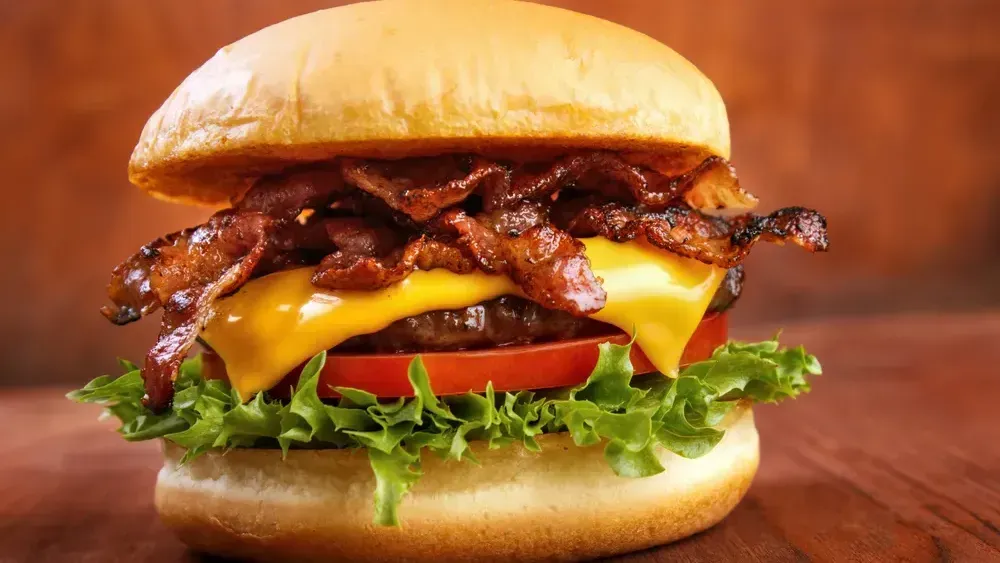
Indulging in a bacon cheeseburger might feel like the ultimate comfort, but this classic favourite comes loaded with significant health risks. Saturated fats, cholesterol, and an overwhelming calorie count mean your arteries are in the firing line every time you take a bite. Men over 60 should be especially wary, as the body’s ability to regulate fats often deteriorates with age.
While that smoky, cheesy flavour is undeniably tempting, making fast food a regular treat can escalate your chances of developing heart disease and obesity. After all, it only takes a few of these high-calorie monsters to tip the balance, making healthy alternatives a wise and tasty choice as you age.
Deep-Fried Oreos: A Sweet Trap

As tempting as they are at carnivals or fairs, deep-fried Oreos are a health hazard for older men. Coated in sugary batter and fried in oil, they can send blood sugar levels soaring and add unnecessary inches to your waistline. This indulgence offers little to no nutritional value, making it a prime candidate for foods to avoid.
Just five deep-fried Oreos come packed with a staggering 900 calories, 51 grams of sugar, and 48 grams of fat. Consuming them regularly is a surefire way to overload your system with empty calories, spiking your risk of diabetes and weight gain—two threats that increase with age.
The Triple Threat of Fried Chicken & Waffles

Enjoying fried chicken and waffles is a nostalgic treat, but this Southern classic combines heavy ingredients that can do more harm than good. The crispy fried chicken brings saturated fats, while waffles and syrup heap on processed carbs and sugar, all contributing to heightened health risks.
Every bite is undeniably tasty, yet consuming this calorie-packed meal too often can lead to elevated cholesterol, blood sugar spikes, and potential weight gain. Reserve this dish for those rare special occasions to keep your heart and metabolism healthy as you age.
Loaded Potato Skins—Irresistible but Risky

Golden potato skins loaded with gooey cheese, crunchy bacon, and tangy sour cream are hard to pass up. However, this beloved appetiser is packed with calories, saturated fats, and cholesterol, making it a minefield for men focused on heart and weight health.
While an occasional splurge is understandable, frequent indulgence can lead to unwanted weight gain and higher cholesterol. Being mindful when you treat yourself is especially vital for men over 60 who want to keep their energy and health in top shape.
The Hidden Hazards in Pot Pies
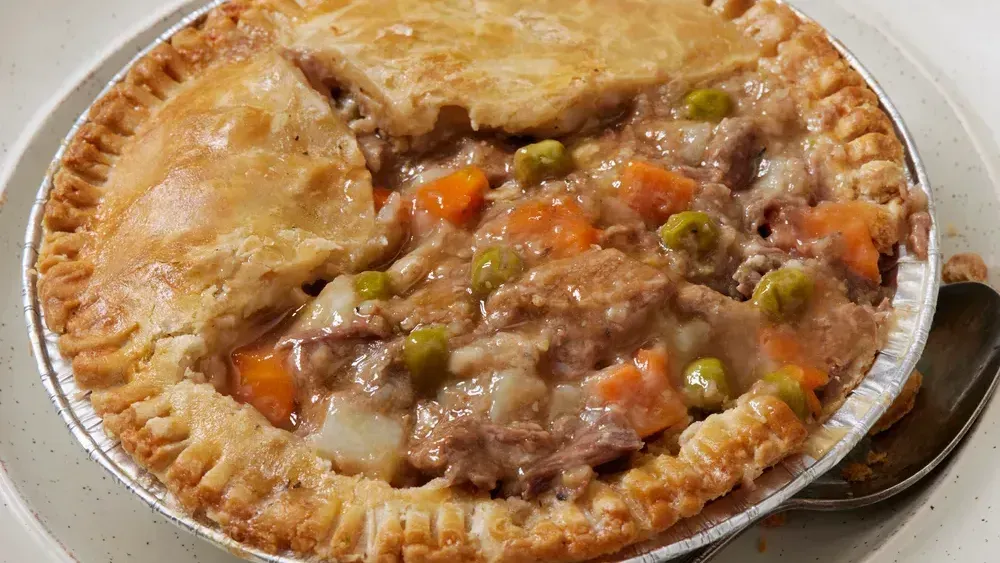
Pot pies offer a quick, cosy meal solution, but what’s lurking inside could undermine your wellbeing. With plenty of processed ingredients, these savoury pies deliver massive amounts of sodium and saturated fat, both of which can wreak havoc on cardiovascular health.
Frozen varieties, especially, are notorious for containing not just calories but also preservative-laden additives. The extra sodium may cause bloating, while the high saturated fat content is a known trigger for increasing cholesterol, an important concern for men over 60.
Chilli cheese fries
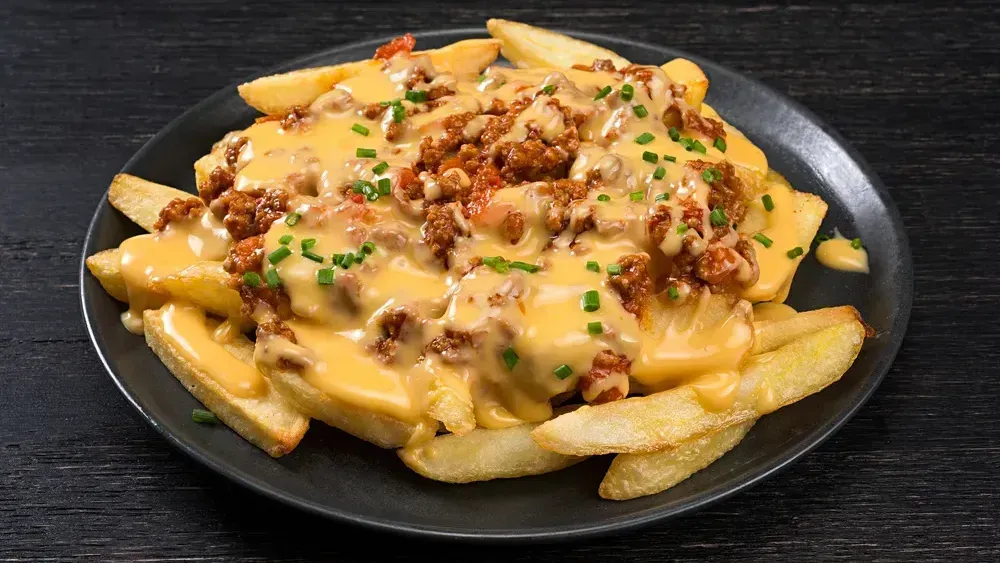
Topped with a generous helping of rich chilli, gooey cheese, and mountains of sour cream, chilli cheese fries are undeniably tempting but dangerously unhealthy—especially for men over 60. All these decadent toppings add up to a dish that’s more likely to clog your arteries than satisfy long-term cravings. It’s a heart attack waiting to happen, and should be approached with extreme caution.
This classic comfort food is packed with fats, carbs, and sodium, making chilli cheese fries a triple threat to your health. The combination of salty cheese, savoury chilli, and starchy fries adds an extra layer of richness that’s almost impossible to resist. It’s a risky indulgence that can quickly sabotage heart health and make it harder for older men to maintain optimal wellness.
Salad dressing

A bowl of greens might seem like a healthy choice, but the wrong salad dressing can quickly turn your meal into a sugar-packed nightmare. Take Stonewall’s Balsamic Fig Dressing: just two tablespoons deliver 11 grams of sugar—a sneaky source of empty calories that can spike your blood sugar and sabotage efforts to eat clean, especially if you’re watching your diet after 60.
Other dressings, like Marie’s Creamy Italian Garlic, can pile on the fats, with a whopping 19 grams per two-tablespoon serving. Most of this comes from oils like soybean oil, notorious for promoting hunger and cravings. Choose your salad dressings wisely to avoid turning a healthy choice into an unhealthy pitfall.
Frappuccinos

Black coffee is a health-boosting, calorie-free beverage, but creamy, sugar-laden frappuccinos are a very different story. For men over 60, indulging in these blended drinks could undo the potential health benefits of coffee and flood your system with empty calories and refined sugars—both of which can contribute to weight gain and higher blood sugar.
A Starbucks White Chocolate Mocha Frappuccino packs a staggering 520 calories and 65 grams of carbohydrates, almost entirely from sugar. Consuming liquid calories like these doesn’t trigger your body’s normal fullness signals, making it all too easy to overindulge without even realising it, especially as you age.
Soft pretzels

Soft pretzels are irresistible at sporting events and fairs, but their appeal comes with risks. Most are loaded with refined white flour and finished with a heavy sprinkling of salt, resulting in a treat that offers little nutrition and a dangerously high sodium load—especially problematic for older men concerned about heart and vascular health.
This combination of refined carbs and sodium is a double whammy. Sodium raises blood pressure and can cause uncomfortable bloating, while refined flour causes blood sugar to spike and drop rapidly, leading to energy crashes and increased hunger. It’s a snack best left off your menu as you get older.
Milkshakes
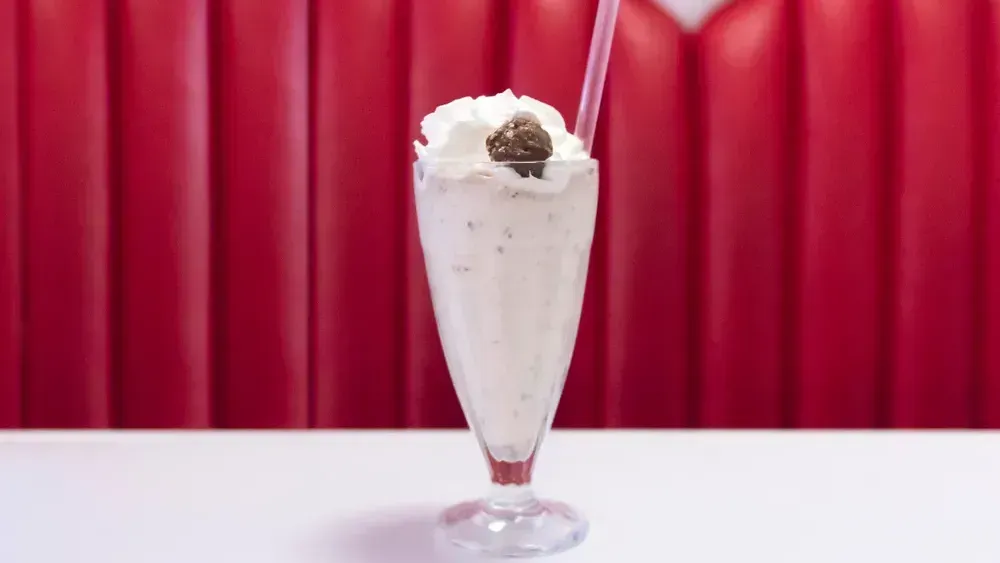
Enjoying a milkshake on a hot afternoon might be a nostalgic treat, but there’s little to commend nutritionally about these creamy beverages. They’re packed with heaps of added sugar and saturated fat, which quickly turn this drinkable dessert into a high-risk choice for anyone looking to protect their heart and overall health after 60.
A fast-food milkshake is a sugar and fat bomb in a cup. For instance, a White Castle shake clocks in at a staggering 179 grams of sugar—a level that can push blood sugar through the roof. The sheer volume of saturated fat and sugar means these shakes should be reserved for rare occasions, if at all.
Burritos Might Not Be as Healthy as They Seem
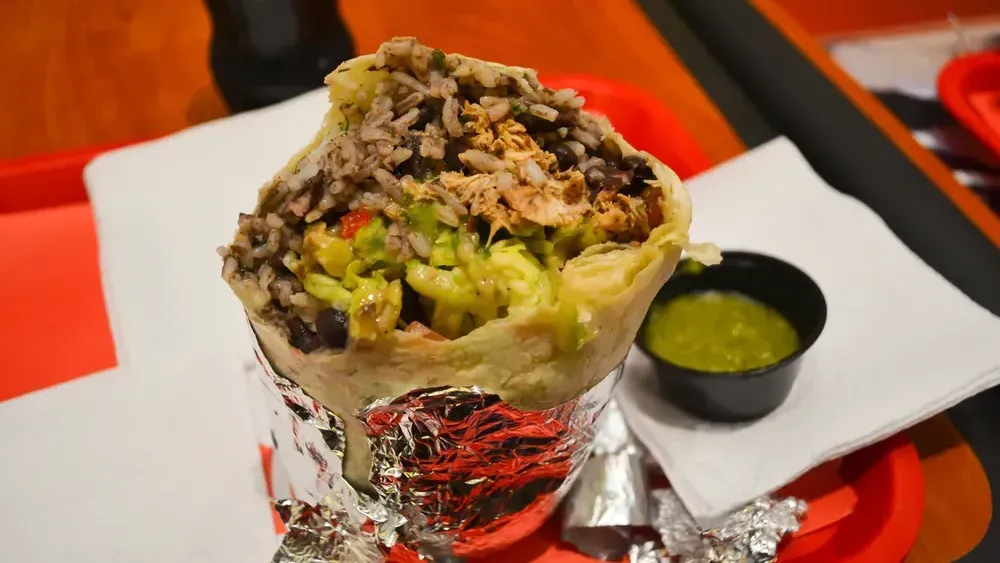
Burritos often start with a refined flour tortilla—essentially a dense package of simple carbs with the potential to spike blood sugar rapidly. This can be especially problematic for men over 60, as higher blood sugar is strongly associated with risk for diabetes and heart disease. Choosing whole-grain alternatives may help, but most restaurant burritos don’t offer this healthier swap.
Let’s not forget about the typical burrito fillings: ground beef fried in oil, lots of melted cheese, and beans cooked with unhealthy fats can be a triple threat to heart health. Topping it all off with sour cream adds even more saturated fat and excess calories, making the classic burrito a meal best enjoyed only on occasion—if at all.
Think Twice Before Reaching for a Croissant

A warm croissant may look and smell irresistible at breakfast, but it’s actually loaded with saturated fats while providing little nutritional value for staying full or maintaining healthy muscle. Without protein and dietary fibre, this buttery treat can leave you hungry again soon after eating, increasing the temptation for unhealthy snacking later in the day.
Even popular bakery versions like Dunkin’ Doughnuts’ Butter Croissant serve up a whopping 19 grams of fat, with 8 grams coming from saturated fat alone. If you go for ones with chocolate or ham and cheese fillings, the fat and calorie counts only skyrocket, making croissants less suitable for the heart and waistline as you age.
Cake Mix May Look Easy, But It Comes With Risks
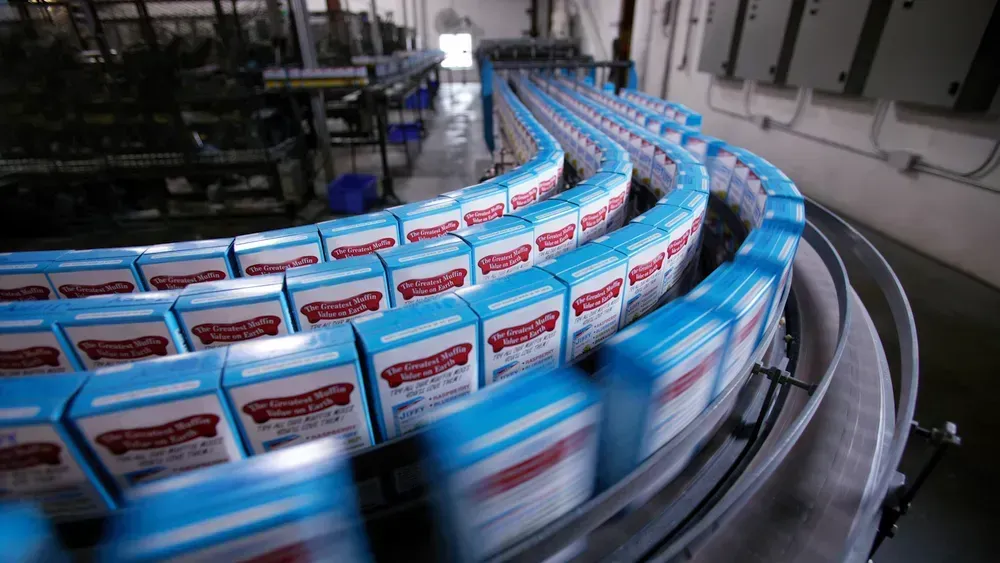
There’s nothing wrong with celebrating birthdays, but boxed cake mixes make it too easy to indulge in sugary treats with hidden downsides. Packed with processed sugar and artificial additives like Red 40 and Yellow 6, these mixes also typically include palm oil, which is high in saturated fat and raises cholesterol levels.
Opting for cake from a box may save time, but your health could pay the price. Homemade cakes allow you to control the ingredients—reducing sugar, using quality fats, and skipping the artificial colours and preservatives. Next time you crave that sweet treat, baking from scratch is the better choice.
Chewing Gum Could Be More Trouble Than It’s Worth
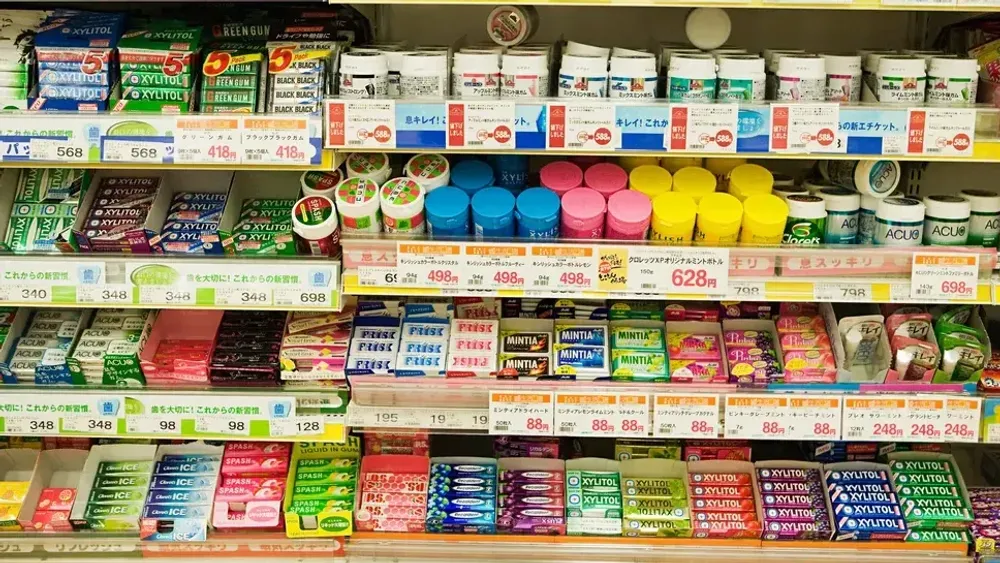
Many chewing gums boast ‘sugar-free’ claims, but the sweeteners they rely on—such as sugar alcohols and a variety of artificial options—can disrupt digestion. Since your body can’t properly digest these chemicals, they often wind up fermenting in your gut, resulting in discomfort for many older adults.
One common culprit, sorbitol, is notorious for causing bloating and gas, which can be particularly uncomfortable as digestion slows with age. Some artificial sweeteners have also been shown to increase cravings and appetite, inadvertently making it harder to choose healthy meals and snacks throughout the day.
Lemonade Is Often More Sugar Than Citrus

Store-bought lemonade may sound refreshing, but most commercial versions have little resemblance to a real lemon. For example, popular brands like Minute Maid use additives such as Yellow #5, a colouring agent associated with hyperactivity and other concerning effects in sensitive individuals.
Recipes for these drinks typically include water, high fructose corn syrup, and just a splash of lemon juice concentrate. With up to 27 grams of added sugar per bottle, drinking lemonade is less about hydration and more about consuming excess calories that can elevate blood sugar and contribute to unwanted weight gain.
Flavored yoghurt

Most fruit-flavoured yoghurts on the shelf contain very little real fruit and compensate instead with loads of added sugar. The vibrant colours that catch your eye are often just the result of concentrated fruit juices—hardly healthy additions to your diet. For men over 60, excess sugar can contribute to a higher risk of diabetes and weight gain.
Despite their sweet taste and creamy texture, these yoghurts lack staying power and won’t keep you satisfied for long. Don’t let the colourful appearance fool you—these snacks can leave you with a sugar crash. Instead, try opting for unsweetened, plain yoghurt paired with actual fresh fruit for a more nutritious and filling option.
Meal-replacement shakes

While meal-replacement shakes promise convenience and calorie control, the ingredient list can tell a very different story. Many popular brands sneak in high fructose corn syrup, which causes blood sugar spikes—especially risky for older men. You’ll also find artificial flavours, colours, and stabilisers that are anything but natural.
Aside from questionable sweeteners, some shakes rely on maltodextrin, a processed carbohydrate that provides little nutritional benefit. Artificial colours and flavours might improve appearance and taste, but contribute nothing to your health. Preparing balanced meals with whole ingredients is always a safer, more satisfying choice.
Corn dogs

Corn dogs may seem relatively harmless when you look at the macronutrients—one contains around 330 calories, 34 grams of carbs, and 10 grams of protein. However, it’s what’s inside that truly matters. The meat core is often a heavily processed product containing preservatives and additives that aren’t great for ageing bodies.
The real issue lies in the processed meats, which large-scale studies link to an increased risk of colon cancer and heart disease. For men over 60, regularly consuming processed meats can have long-term negative impacts on overall health. Opting for grilled lean meats or plant-based proteins is a more heart-friendly alternative.
Fondant

Fondant may give cakes a stunning, polished look, but its nutritional value is almost nonexistent. This sugary layer is composed mainly of refined sugar and a handful of additives intended to keep everything smooth and stable. It’s a quick way to ramp up your sugar intake without any vitamins or nutrients to balance things out.
A lesser-known concern is the type of fondant frequently used by professional bakers, which often contains hydrogenated fats. These artificial trans fats are linked to increased cholesterol and heart problems—something men over 60 should be especially cautious about. When it comes to cake, opt for natural frostings or skip the extra layer entirely.
Cheap sushi

Japanese cuisine and sushi are often lauded for promoting long life and good health, thanks to nutrient-rich fish and minimalist preparation styles. However, not all sushi is created equal—especially the cheap, mass-produced variety, which can harbor hidden dangers that many people overlook.
Low-cost sushi increases your risk of consuming unsafe, improperly handled seafood. This leaves you vulnerable to foodborne illnesses such as food poisoning or even sepsis—physical threats that become more serious as you age and your immune system naturally weakens. Stick to reputable restaurants or homemade sushi prepared with high-quality ingredients.